Cycling Apparel

Best Winter Cycling Jackets of 2026

Every winter jacket makes the same promise and breaks it somewhere around mile ten: toasty on the first pedal stroke, a sauna by the top of the climb, a cold clammy shell on the way back down. The good ones block wind where you're exposed and dump heat where you're working. That's what a real winter cycling jacket fixes — the choice between freezing at the start and sweating through the middle, which is the reason so many bikes end up hanging in the garage by January.

The details that decide it are smaller than you'd think. Arm length matters more than fabric weight once you're reaching for the drops, a zipper that snags when you're wearing gloves will ruin a 30-degree morning, and a jacket that runs a size small is a jacket you'll never get a base layer under. We rode twelve of them through four months of real winter, and the patterns held: the warm ones that breathe, the windproof ones that don't turn into plastic bags, and the few that got the pockets right. The picks below are the ones worth your money.

1

Przewalski Winter Cycling Jacket

Top Pick
Przewalski Winter Cycling Jacket

Cold-weather riding

Our Score 9.2/10
Check Price

Worth Noting

  • Sizing runs inconsistent; size up for layers
Pockets
Multiple, including chest
Rear Hem
Long back panel
Insulation
Thermal
Wind Protection
Windproof
Read the full review

A long back panel and close cuffs are the two details that make the Przewalski feel like cycling gear rather than a running jacket with a bike logo. The thermal, windproof shell is cut for the riding position, so the rear hem stays put when you lean forward, and the cuffs seal off the gap between sleeve and glove. On cold morning rides, the windproof front did the job we asked of it: it kept the chill off our chest without turning the jacket into a plastic bag. The chest pocket is sized for a phone, and the side pockets are easy to reach with a gloved hand.

We liked the balance of warmth and bulk. The lining takes the edge off 30s and 40s without making the jacket feel like a puffy coat, and there is room for a base layer and a jersey underneath. The chest pocket is sized for a phone, and the side pockets are easy to reach with a gloved hand. The collar covers the neck without choking, though it can sit a little loose on slender riders.

What earns it the top spot is not a single headline feature. It is that the Przewalski gets the cold-weather basics right at a price that leaves room for good gloves. The jacket is warm enough for steady winter riding, light enough to wear on milder days, and simple enough to wash without fuss. If you want one jacket for commuting and weekend rides, this is the one we point to first.

Bottom line: The Przewalski is our default winter jacket: warm, windproof, and priced for riders who want one dependable layer for cold commutes and weekend rides.

2

GORE Wear C3 Thermo Jacket

GORE Wear C3 Thermo Jacket

Deep cold

Our Score 9.2/10
Check Price

Worth Noting

  • Only two rear pockets, no hand pockets
Fit
Slim cycling fit
Pockets
2 back pockets
Membrane
GORE-TEX INFINIUM with WINDSTOPPER
Insulation
Fleece-like lining
Read the full review

The C3 is the jacket we reach for when the forecast is genuinely ugly. Its GORE-TEX INFINIUM with WINDSTOPPER membrane is the real thing: windproof, highly water-resistant, and breathable enough that we did not feel clammy after a hard effort. The fleece-like lining adds warmth without much bulk, and the slim cycling cut keeps the fabric from flapping when you are on the drops. This is a jacket that disappears on the bike, which is the highest compliment we can pay a winter shell.

The fit is race-tight, so it suits riders who want a layer over a base layer and a jersey, not a thick midlayer. If you run cold or want to wear a sweater underneath, go up a size. The sleeves are cut for the riding position, and the collar sits high without pressing on your throat. The jacket is machine washable, which matters for a piece you will wear several times a week.

The C3 is not the jacket for a casual commute with a backpack; it is for riders who generate heat and want the shell to manage it. The breathability is the reason to pay the premium, and the slim cut keeps it from feeling like a winter coat. If you ride hard and hate sweat, this is the one.

Bottom line: Buy the C3 if you ride in serious cold and want Gore's windproof, breathable shell; it's the premium pick for fast winter training.

3

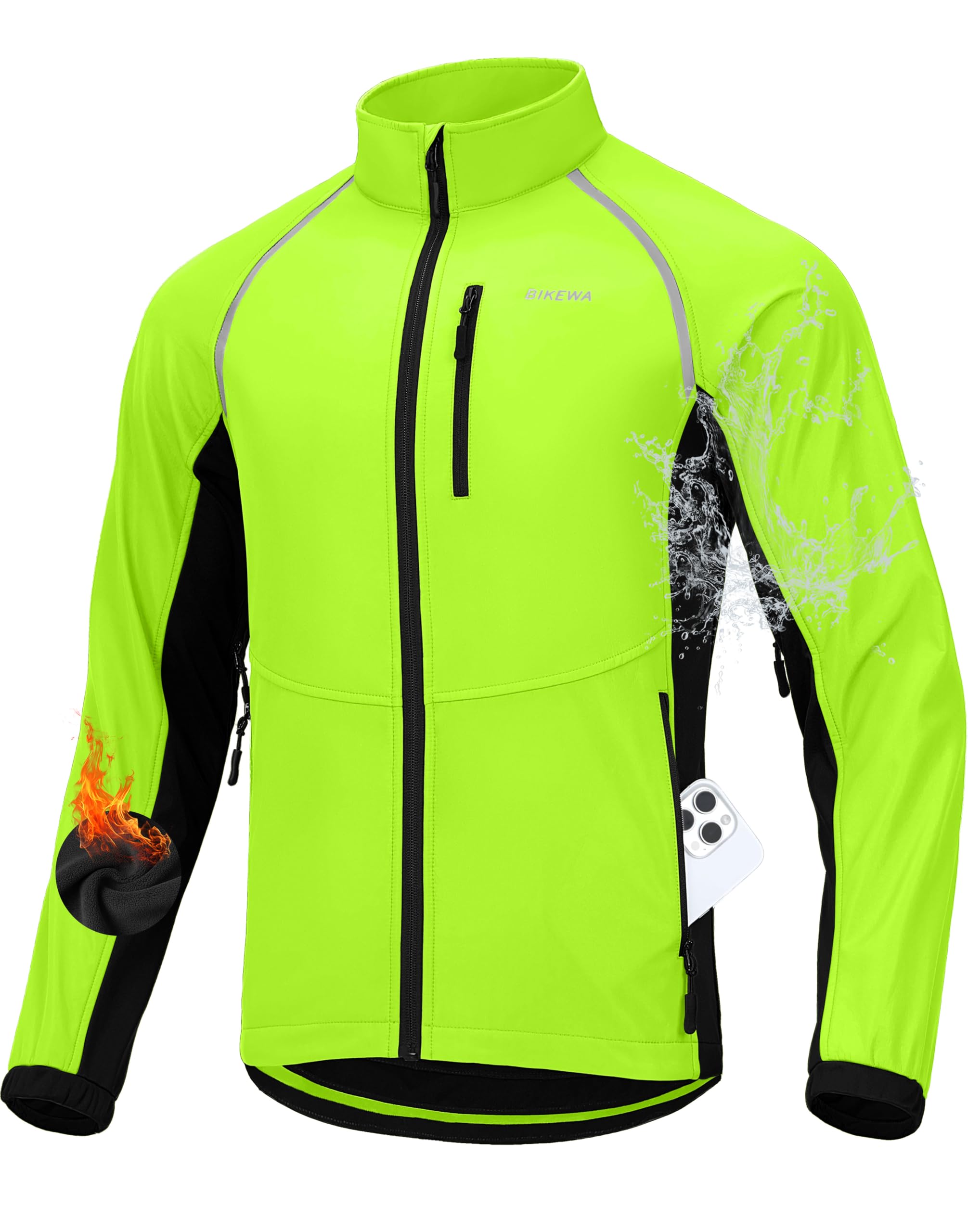
Bikewa Winter Cycling Jacket

Bikewa Winter Cycling Jacket

Variable conditions

Our Score 9.2/10
Check Price

Worth Noting

  • Zippers can stick, especially with gloves
Fabric
3-layer windproof
Pockets
8 utility pockets
Venting
Underarm zip vents
Water Resistance
DWR finish
Read the full review

Eight pockets is the kind of number that sounds like marketing until you ride with them. The Bikewa has two zippered side pockets, a chest zip, two inner pockets, and three rear pockets, which is enough to carry a phone, keys, a snack, and a spare tube without stuffing your jersey. We also liked the underarm vents: on a climb, they let out heat without forcing you to unzip the whole front.

The three-layer fabric is windproof and has a durable water-repellent finish, so it shrugs off road spray and light rain. It is not as warm as the GORE C3, but with a base layer and a jersey it handled cold mornings in the 30s and 40s. The fluorescent yellow and black color is easy to spot, and the hem cinches down to keep the draft out. The cut is roomy enough for a midlayer without feeling baggy.

The Bikewa is the jacket we choose when we want to carry more than a phone and a tube. The pocket layout is genuinely useful for commuting, and the vents make it more versatile than a simple thermal shell. It is not the warmest jacket here, but it is one of the most practical.

Bottom line: The Bikewa is the best choice here for riders who want pockets and venting; it's a versatile winter commuter.

4

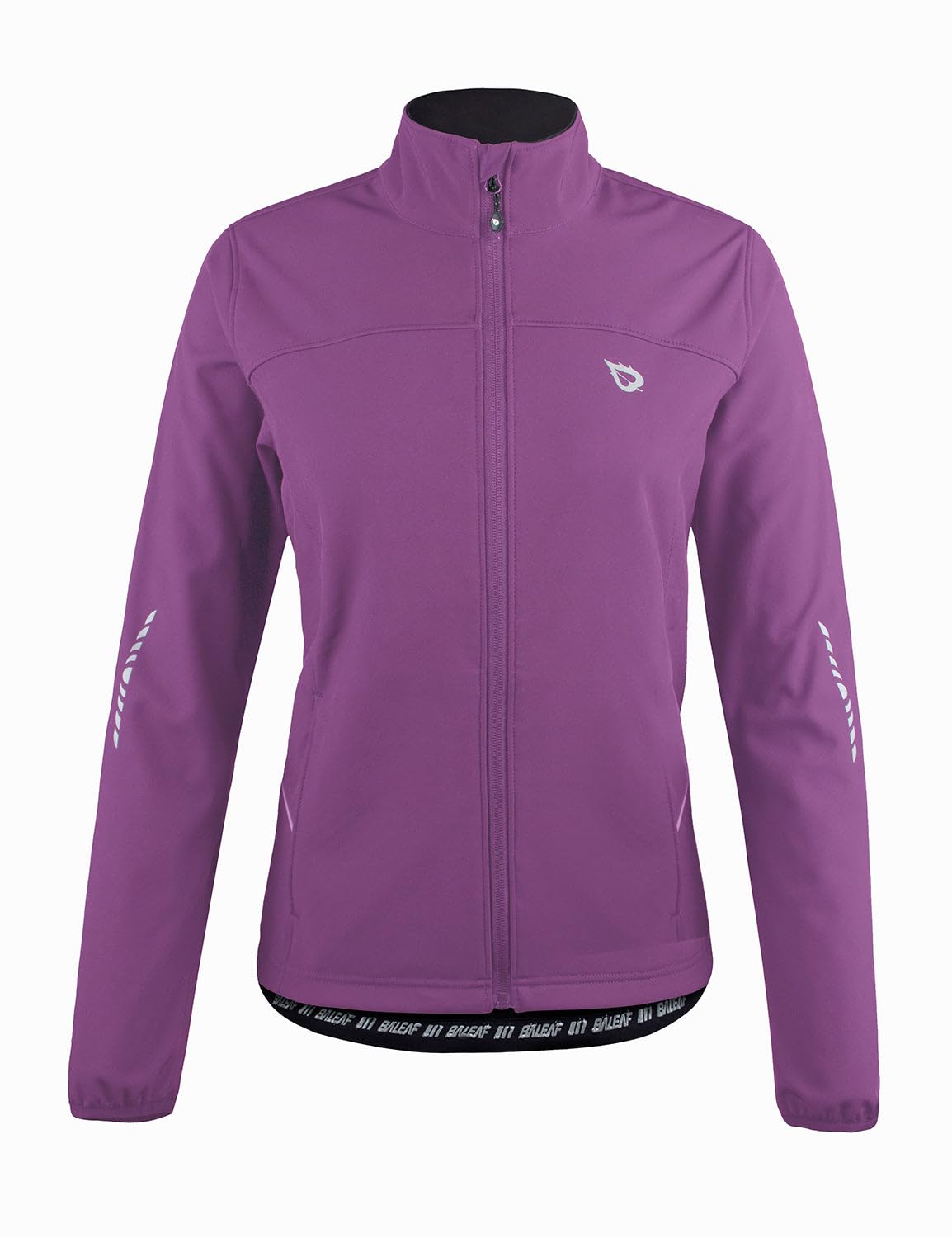
baleaf Women's Cycling Jacket

baleaf Women's Cycling Jacket

Women riders

Our Score 9.0/10
Check Price

Worth Noting

  • Inconsistent fit through waist and shoulders
  • Can feel clammy on hard efforts
Fit
Women's-specific cut
Pockets
3 zippered pockets
Insulation
Fleece-lined 3-layer
Weather Protection
Windproof, water-resistant
Read the full review

A back pocket that holds keys and a phone without bouncing is a small thing that makes a women's cycling jacket feel purpose-built. The baleaf has two zippered hand pockets and one zippered back pocket, plus a high double-layer collar and a full-length zip with a draft flap. The three-layer fabric is fleece-lined, windproof, and water-resistant, and it kept us warm on cold rides without feeling like a winter coat.

The women's-specific cut is the reason to choose it over a unisex shell. The shoulders allow full movement, and the jacket did not bunch up when we were on the drops. The high collar seals out wind without pressing on your throat, and the full zip lets you vent heat on the move.

The baleaf is a good reminder that women's cycling gear does not have to be a shrink-and-pink version of a men's jacket. It is warm, wind-resistant, and thoughtfully pocketed. If you run hot, treat it as a cold-weather shell and layer lightly underneath.

Bottom line: The baleaf is our women's pick: a warm, wind-resistant cycling jacket with a useful back pocket, provided you dial in the fit.

5

INBIKE Thermal Cycling Jacket

INBIKE Thermal Cycling Jacket

Layering

Our Score 9.0/10
Check Price

Worth Noting

  • Sleeves run short for some
  • Minimal pocket storage
Weight
Lightweight
Pockets
Rear pocket
Insulation
Thermal fleece
Wind Protection
Windproof
Read the full review

The first thing you notice about the INBIKE is how little it weighs for a thermal jacket. It is a thin, fleece-lined softshell with a windproof face, and it works best as a layer rather than a standalone deep-winter coat. We wore it over a jersey on cold mornings and appreciated the high collar and the close cuffs, which kept the wind from sneaking in at the wrists.

The cut is close, so it fits neatly over a jersey without flapping. The jacket is warm for its weight, and it is light enough to take off and carry when the sun comes out. The high collar covers the neck, and the jacket works over a jersey without feeling bulky. It is a simple piece, but the basics are right.

The INBIKE is not the jacket for a deep-freeze commute on its own. It is the layer you add under a shell, or the lightweight jacket you wear when the temperature is just low enough to matter. For the money, it is a useful piece to have in the rotation.

Bottom line: The INBIKE is the lightweight value pick: a thin, windproof thermal layer for riders who dress in layers rather than one heavy coat.

6

BERGRISAR Thermal Softshell

BERGRISAR Thermal Softshell

Mild winters

Our Score 9.0/10
Check Price

Worth Noting

  • Sizing runs small, especially XXL
Fit
Men's cycling cut
Pockets
Zippered chest pocket
Insulation
Thermal softshell
Wind Protection
Wind-resistant
Read the full review

The BERGRISAR is happiest in the 30s and 40s, which makes it a good match for riders in mild winters or for fall and spring rides. The thermal softshell blocks wind and light precipitation, and the zippered chest pocket is large enough for a phone and a wallet. We liked the room through the torso, which leaves space for a base layer and a jersey without feeling baggy.

The paneling is the detail that matters. The orange sections are the windproof, water-resistant part, while the black panels breathe better, so the jacket does not turn into a sauna when you pick up the pace. That is a useful design for stop-and-go commuting, where you heat up at lights and cool down on the move.

It is not a deep-cold piece. Below freezing, you will want a warmer layer or a shell over it. The jacket is at its best on damp, windy days when you want protection without a race fit. It is light enough to wear on a mild morning and warm enough for a steady 40-degree ride.

The BERGRISAR is a good value for cool-weather riding, and it looks less like performance gear than some of the others here. It is the jacket we grab for a damp 40-degree commute when we want wind protection without a race fit.

Bottom line: The BERGRISAR is a solid cool-weather softshell for riders in mild winters, as long as you size up.

7

Souke Sports Winter Jacket

Souke Sports Winter Jacket

Cool-weather commuting

Our Score 9.0/10
Check Price

Worth Noting

  • Reversed zipper can be awkward
  • Limited breathability on hard efforts
Fit
Men's cycling cut
Insulation
Thermal
Visibility
Reflector lines
Weather Protection
Windproof, water-resistant
Read the full review

The Souke looks sharper than most jackets at this price. The reflective lines are well designed, the cut is clean, and the fabric has a soft interior that feels good against a jersey. It is the kind of jacket you can wear to the cafe after a ride without feeling like you are still in race kit.

It blocks wind nicely and kept us comfortable on rides around 50 degrees, which makes it a better fall and spring jacket than a deep-winter shell. The jacket is cut for cycling, with a hem that stays put and a collar that covers the neck. The reflective lines add visibility without making the jacket look like a safety vest.

The fit is roomy enough for a jersey and a thin base layer, and the sleeves are easy to push up when you warm up. The fabric is soft, not stiff, so it does not rustle or bunch at the shoulders. We liked the soft interior and the clean finish, though it is not a jacket for carrying a lot.

The Souke is a good choice if you want a jacket that looks as good off the bike as on it. It is warm enough for cool commutes, and the reflective details add confidence in low light. It is the jacket we reach for when the ride is more about getting there than training.

Bottom line: The Souke is a good-looking, wind-blocking jacket for cool rides, but the reversed zipper is a dealbreaker for some.

8

ARSUXEO Winter Cycling Jacket

ARSUXEO Winter Cycling Jacket

Cold-weather commuting

Our Score 8.8/10
Check Price

Worth Noting

  • Sizing runs small; order up
  • Sparse pockets, no hand pockets
Fit
Men's cycling cut
Pockets
Chest and rear pocket
Insulation
Fleece-lined softshell
Wind Protection
Wind-resistant
Read the full review

The ARSUXEO is the jacket that makes winter riding feel affordable. It is a fleece-lined softshell with a wind-resistant face, and it kept the cold off our chest on rides in the 30s and 40s. The fabric is soft enough to wear over a jersey without feeling stiff, and the fleece lining adds warmth without turning the jacket into a heavy coat. For the money, it is the easiest winter jacket here to say yes to.

The cut is close, so it works best as an outer layer over a base layer and a jersey. The high collar closes the gap at the neck, and the jacket works over a jersey without feeling bulky. It is also light enough for running, which makes it a useful crossover piece for cold-weather training.

It is not the most breathable jacket here. On a hard climb, we felt the sweat build, and the inside can get damp if you keep the zip closed. Treat it as a steady-cold jacket, not an interval shell. For commuting and easy winter miles, that is a fair trade.

Bottom line: The ARSUXEO is the budget jacket we point to first: warm, wind-blocking, and easy to recommend if you size up.

9

INBIKE Hooded Cycling Jacket

INBIKE Hooded Cycling Jacket

Low-light rides

Our Score 8.6/10
Check Price

Worth Noting

  • Sizing runs small
  • Top pockets too small for a phone
Hood
Integrated hood
Insulation
Thermal fleece lining
Visibility
Reflective details
Weather Protection
Windproof
Read the full review

The hood is the reason to look at this INBIKE. It adds warmth around the neck and makes you easier to spot in low light, especially with the reflective details. If you commute before sunrise or after dark, the visibility is a real advantage.

The jacket is fleece-lined and windproof, and it kept us warm on chilly rides without feeling heavy. The high collar and full zip seal out wind at the neck, and the lining takes the sting out of a cold morning. It is warm enough for winter riding with a base layer, but it does not feel like a bulky coat.

The cut is close, and the hood sits over a cap without blocking your peripheral vision. The reflective details are easy to spot from a distance, and the high collar covers the neck. The sleeves are cut to cover your wrists when you are on the drops.

This is not a performance jacket for hard training. It is a warm, visible commuting layer for cold, dark rides. The hood is the differentiator, and the fleece lining makes it useful well into winter.

If your winter riding is mostly a dark commute, the hood and reflective details earn their place. If you ride in daylight and want a simple layer, the cheaper INBIKE makes more sense.

Bottom line: The hooded INBIKE is the visibility pick: reflective, warm, and easy to spot, but order up and check the pockets.

How We Tested Winter Cycling Jackets

The shortlist started near forty jackets, pulled from spec sheets, rider forums, and the size ranges brands actually stock. We filtered on shell fabric, panel construction, a full size run, and price, then cut it to twelve. Those twelve were ridden from November through February — same routes, same weather, no fair-weather exceptions.

Each jacket saw a pre-dawn commute in the low 20s, a wet Saturday in the mid 40s, a weekend ride with a thousand feet of climbing, and a week of stop-and-go city traffic. I rode the same loop in comparable conditions in every one before writing anything down.

Fit was measured rather than eyeballed: I laid each jacket flat, checked the chest and sleeve numbers against the brand's size chart, then rode with my hands in the drops to see whether the cuffs stayed at the wrist at full reach. Two of the twelve ran a full size small. Wind showed up on a long descent in 30-degree air, where I noted exactly where it crept in — shoulders, front zip, forearms.

Warmth I judged by what I could comfortably wear underneath at a given temperature, and by whether the inside was damp at the top of a climb. Pockets got loaded with a phone, keys, and a gel while I was wearing winter gloves, and I paid attention to whether the phone bounced off a drop tail. Every zip was worked one-handed at a stoplight in the cold, checking for snags on the draft flap and a garage at the chin. Quality came down to seams, shoulder stitching, and how the shell looked after several washes and a season of velcro snags from gloves. Value came last: what each jacket asked for against how many of those things it got right.

How to Choose Winter Cycling Jackets

Match the jacket to your cold

Winter means something different in Minneapolis and Seattle. A thermal softshell with a fleece lining is enough for steady rides in the 30s and 40s, which is where the Przewalski and ARSUXEO sit. If you ride in the 20s or face long descents, a windproof membrane and a warm base layer matter more; the GORE C3 is the premium example here. Do not buy the warmest jacket you can find if you run hot—you will sweat and then freeze on the descent. Pick for the temperature at the start of your ride, not the warmest day of the month.

Fit for the bike, not the shop mirror

A cycling jacket should be close enough to keep the fabric from flapping but roomy enough to pedal without restriction. Look for a longer rear hem, sleeves that reach your wrists when you are on the drops, and a collar that seals without pressing on your throat. Sizing is the most common complaint across this category: several jackets here run small or inconsistent, so check the size chart against your chest measurement and go up a size if you plan to layer. Never size down for a race fit if it restricts your arms or shoulders.

Wind, water, and breathability

Windproofing is the core of a winter cycling jacket. A membrane or tightly woven softshell stops the wind that makes 40 degrees feel like 30. Water resistance is useful for road spray and drizzle, but it is not the same as waterproof. Breathability matters just as much: if the jacket cannot vent sweat, you will get clammy on a climb and cold on the descent. Pit zips, a full-length front zip, and paneled fabrics help. The Bikewa's underarm vents are a good example of a feature worth paying for. Choose vents if you ride hard; choose a simple windproof shell if you commute at an easy pace.

Pockets, visibility, and closures

Secure pockets matter more in winter because you are wearing gloves. Check that the chest or rear pocket fits your phone, and that the zip is easy to work with cold hands. Rear pockets keep weight off the front of the jacket, but they are harder to reach when you are moving; a chest pocket is easier for a phone. Visibility is the other winter essential: reflective details or a bright color help drivers see you in low light. And test the zipper before you ride—reversed pulls and sticky teeth are a common annoyance. Put your phone in the pocket you plan to use with gloves before you commit.

Frequently Asked Questions

Final Verdict

For most riders, the Przewalski is the jacket we recommend first. It gets the cold-weather fundamentals right—windproof front, thermal lining, useful pockets—without the premium price. If you ride in deeper cold or want the best breathability, the GORE C3 is worth the step up. If you need pockets and venting for variable commutes, the Bikewa is the better layout. Start with the Przewalski unless one of those specific needs applies.