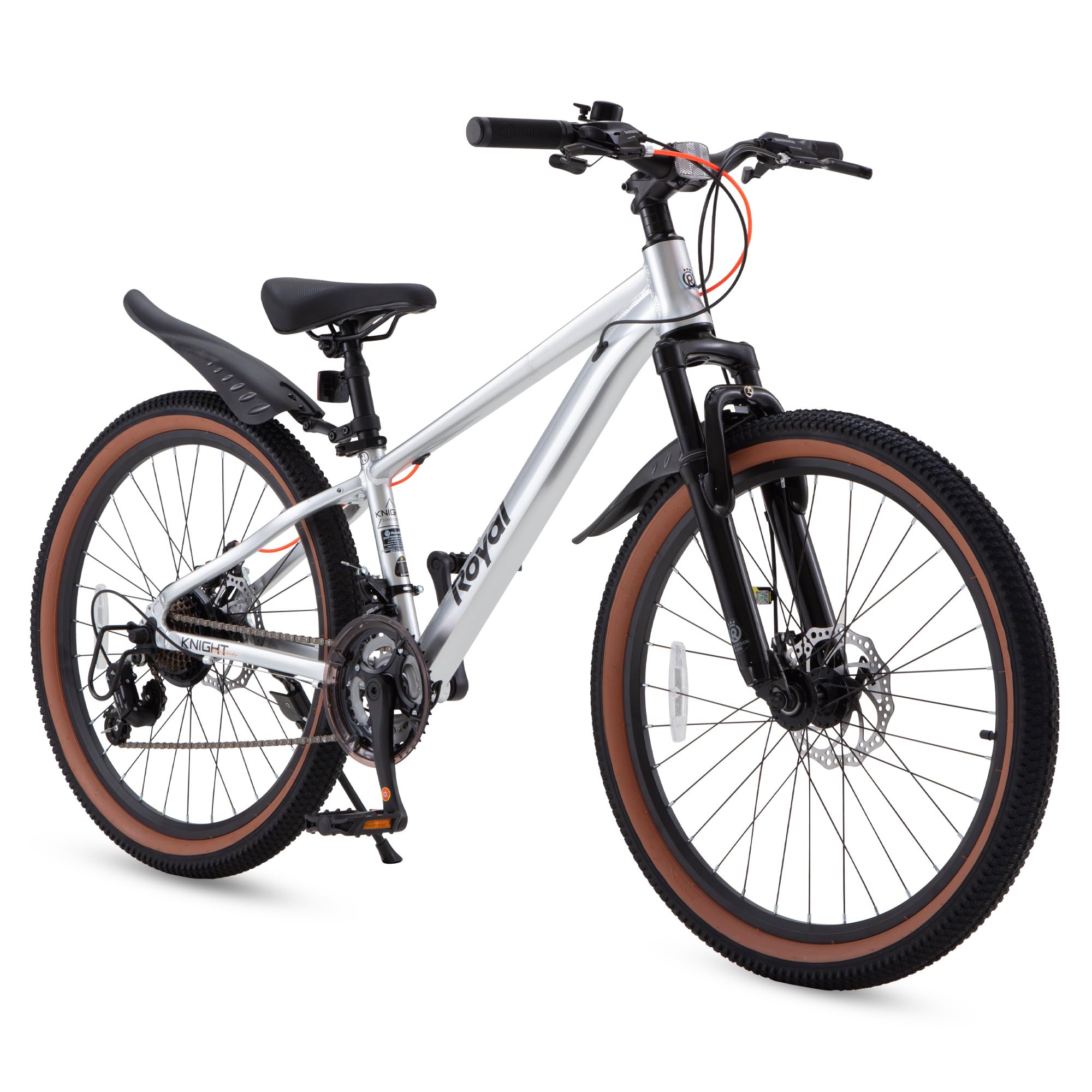
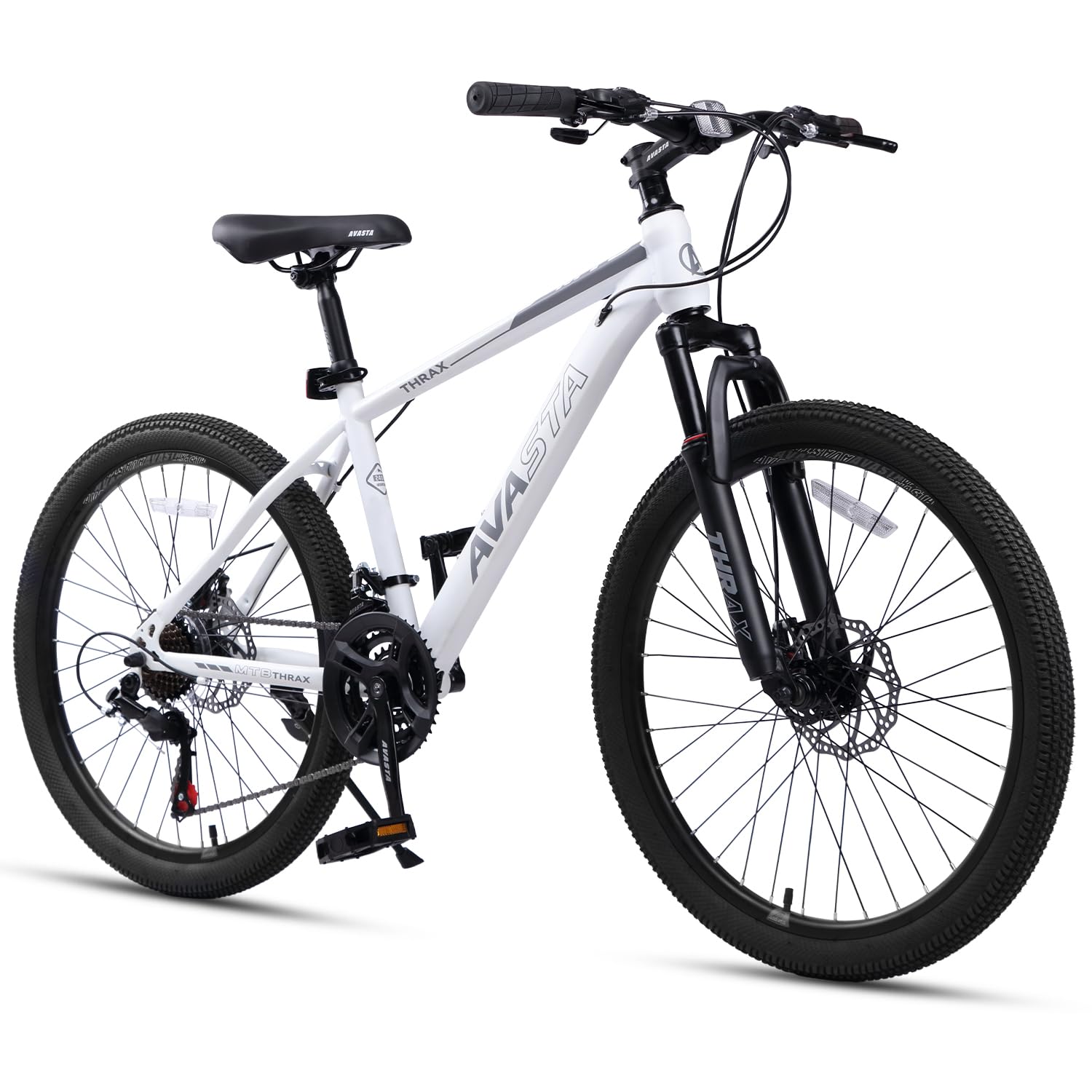
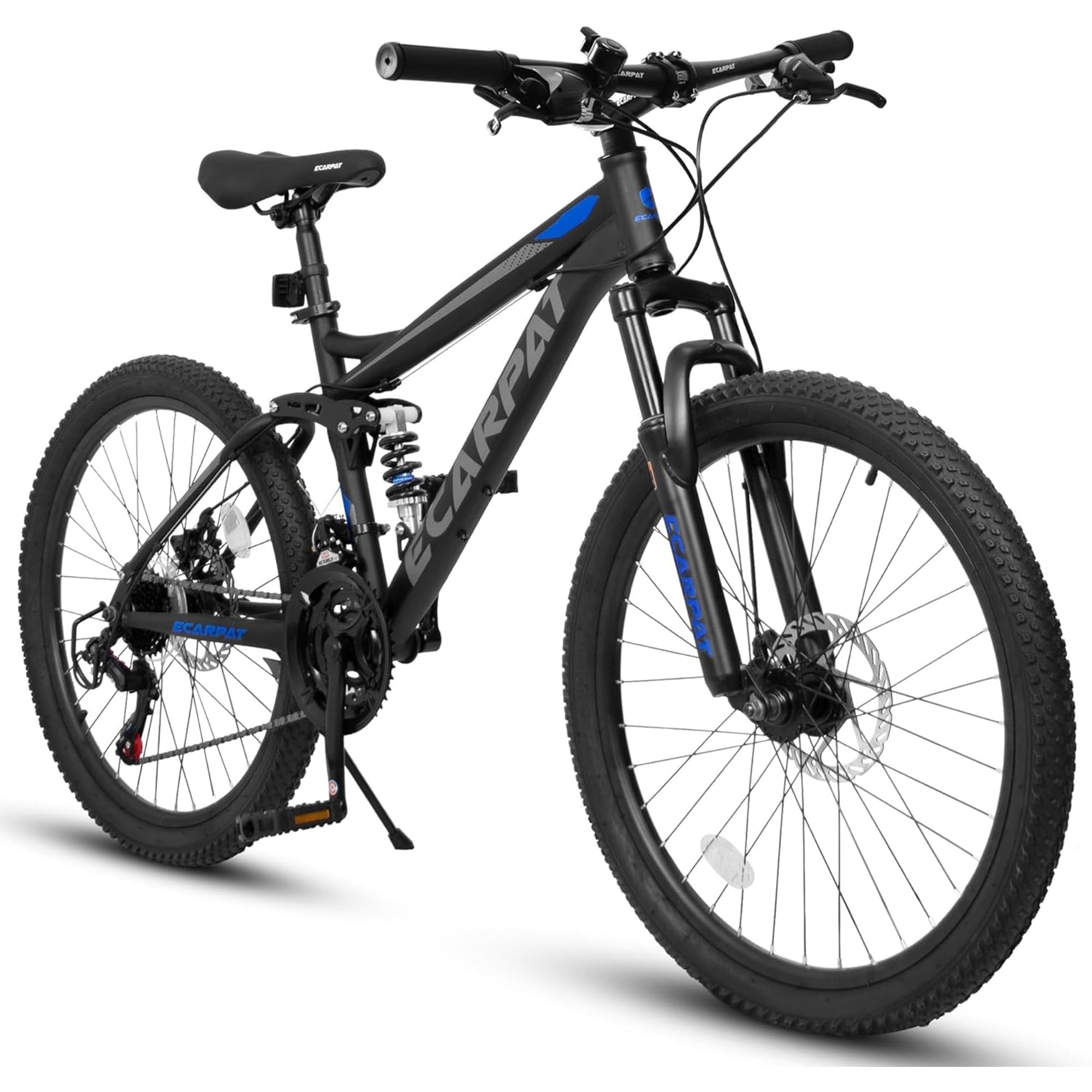
We started by pulling every 24-inch mountain bike we could find from brands we already trust for kids' and teen bikes, then filtered out anything with a fork that doesn't actually compress, tires that aren't really knobby, or a standover height that rules out a rider around 4-foot-9. That left nine bikes, from single-speed simplicity to proper trigger-shifted drivetrains. We bought each one at retail so nobody could send us a ringer.
Assembly happened on a Saturday morning in my garage using only the tools in the box, and I timed every build from box-open to first pedal stroke. I noted whether the front brake pads rubbed out of the crate, whether the derailleur hanger was straight, and how much indexing the shifting needed before the bike was rideable. An hour into the first ride I went back over every bolt with a torque wrench and looked at the welds and dropout alignment, because that's when a sloppy build starts showing itself.
Riding was split between the school run, driveway curb hops, and a local trail loop with roots, loose gravel, and one long climb. I shifted through the whole cassette under load on that climb and listened for skipping, ghost-shifting, and chain slap; on the descents I paid attention to whether the bike felt planted or twitchy at speed. After wet rides I checked spoke tension, headset play, and whether the paint and decals had scuffed through — appearance matters to a 12-year-old in a way it never does to a spec sheet. Durability came down to what was still tight, quiet, and true after eight months, and value came down to how many of those fixes you could handle yourself with a hex key.