Components

Best Gravel Bike Handlebars of 2026

The first time I dropped into a washboard descent on a loaded gravel bike, my hands went numb somewhere around the second cattle guard and stayed that way for the next 20 miles. That ride is why I started paying attention to handlebars. A good gravel bar does the quiet work of a suspension fork: it takes the chatter out of your palms, gives you a wider lever to steer with when the road turns to marbles, and holds your wrists at an angle you can live with for six hours. Get the shape wrong and you'll feel it in your neck by lunch.

Fit is where most people get this wrong. Riders tend to buy the width that matches their shoulders, then wonder why the descents still feel twitchy — often it's rise and backsweep, not flare alone, that settles the front end. Over the past seven months we've had 11 bars out on gravel, and the ones that stuck around earned it on shape and build, not spec-sheet bragging.

1

Ritchey VentureMax

Top Pick
Ritchey VentureMax

All-day comfort

Our Score 9.6/10
Check Price

Worth Noting

Clamp
31.8mm
Flare
24 degrees
Width
44cm
Top Section
38 x 22.5mm
Read the full review

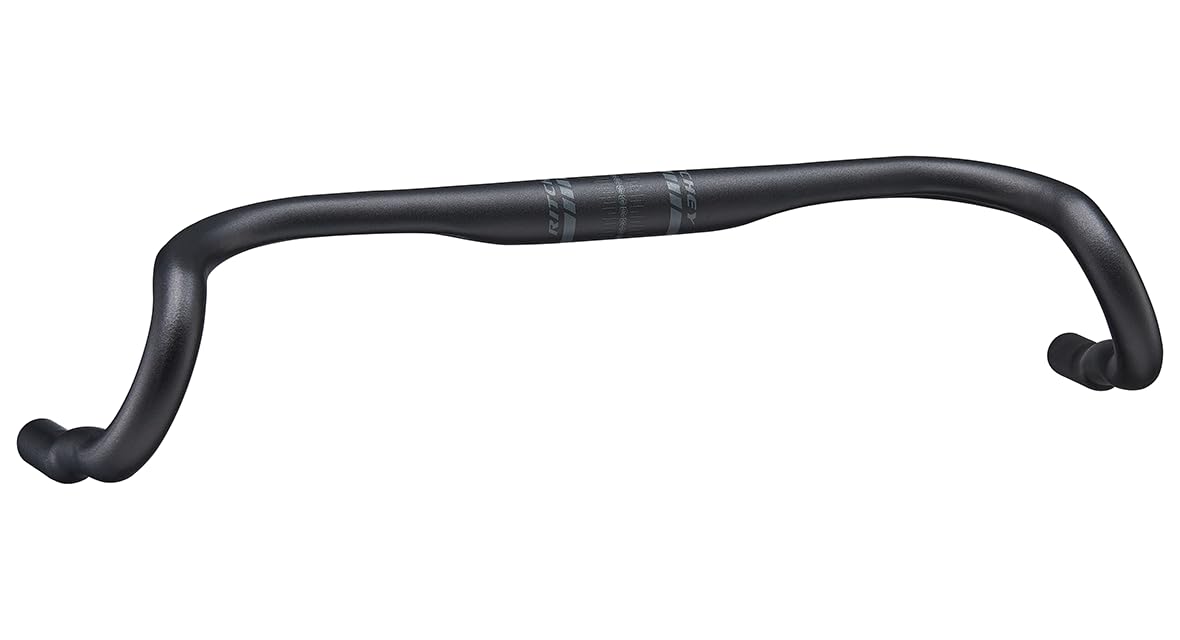
Ritchey measures the VentureMax's 44cm width at the initial bend rather than at the hoods, which is the kind of detail that can make a bar feel wider or narrower than the number suggests. We think that's worth knowing before you order: if you're comparing it with a bar measured at the hoods, the VentureMax may put your hands in a slightly different place than you expect. Once that's accounted for, the shape is excellent for long mixed-surface rides.

The 24-degree flare is the middle ground in this group. It gives you more leverage in the drops than the 8-degree Satori without the full wind-catching sweep of the 36-degree Beacon. The Bio-bend drops and flattened 38 x 22.5mm tops are what we appreciate most: they give your palms a broader shelf on the tops and a more natural hand angle around the hoods. On a long day, those small changes matter more than a few grams.

At 12.64 ounces, it's lighter than the Kitchen Sink, and the double-butted 6061 aluminum build feels purposeful rather than fragile. Internal drilling is ready for a Shimano EW-RS910 junction box, so it suits a clean Di2 build. The 31.8mm clamp and familiar control layout mean most existing gravel setups can move across without a new stem.

Bottom line: A versatile, comfortable gravel bar for riders who want a middle-ground flare and a lighter build than our top pick.

2

Redshift Top Shelf

Redshift Top Shelf

Upright touring

Our Score 9.6/10
Check Price

Worth Noting

  • Upright rise won't suit aggressive gravel positions
Rise
50mm
Flare
25 degrees
Width
47cm
Backsweep
7 degrees
Read the full review

The Redshift Top Shelf takes the Kitchen Sink idea and pushes it further: 50mm of rise, a 47cm width, 25 degrees of flare, and a double-bar front end with room for accessories and bags. The first thing you notice is how much higher the hoods sit, which takes weight off your hands and neck without asking you to swap to a shorter, taller stem.

The double-bar design is the detail we appreciate most. It gives you a second rail for lights, a bag, or a computer mount, and it makes the bar look purposeful rather than merely tall. The 7-degree backsweep and shallow drop keep the tops comfortable, and the 25-degree flare gives you a stable position in the drops when the road turns to washboard.

It earns its place for touring and upright gravel riders who want the front end raised and don't mind a more complex-looking cockpit. The listing doesn't state the clamp diameter, so confirm that before ordering; the rest of the fit is straightforward. If the clamp matches your stem, the 50mm rise is the simplest way to raise the front end without changing it.

Bottom line: For upright touring and comfort-first gravel, the Top Shelf's tall rise and double-bar layout are worth the extra cost.

3

Redshift Kitchen Sink

Redshift Kitchen Sink

All-round gravel

Our Score 9.4/10
Check Price

Worth Noting

  • Heavier than the Ritchey picks here
  • Extra rise won't suit aggressive race fits
Rise
20mm
Clamp
31.8mm
Flare
25 degrees
Width
44cm
Read the full review

The 20mm rise and 25-degree flare are the two numbers that make the Kitchen Sink feel different from a standard gravel drop bar. We like that combination because it lifts the hoods without demanding a new stem or a stack of spacers, while the flare gives you a wider, more planted position in the drops. For a rider moving from a road bar to gravel, that's a usefully gentle transition.

The 44cm width is the version we tested, and it's a sensible starting point for mixed-surface riding: narrow enough on the hoods for a normal road position, wide enough in the drops to steer through loose corners. The 7-degree backsweep and shallow drop add up to a bar you can stay on for hours. We were also struck by the sculpted bar-end area; it gives the drops a more deliberate grip than a plain round bend.

The 31.8mm clamp keeps stem shopping simple, and Redshift sells a grip system and longer bar tape to pair with it, though both are extras. What changes the ride most is the rise; what keeps the front end calm on loose ground is the flare.

Bottom line: For most gravel riders, the Kitchen Sink is the bar we recommend first: its rise and flare add control and comfort without a new stem.

4

Satori X-Race

Satori X-Race

Budget gravel

Our Score 9.4/10
Check Price

Worth Noting

  • Modest 8-degree flare limits leverage on loose descents
Drop
130mm
Clamp
31.8mm
Flare
8 degrees
Width
440mm
Read the full review

The Satori X-Race is the budget bar in this group, and its 8-degree flare tells you what kind of gravel rider it suits: someone who spends most of the time on smooth dirt and pavement, wants a little more stability in the drops, and doesn't want a huge change in steering feel. At 440mm wide with a 130mm drop and 86mm reach, it's closer to a traditional road bar than the flared Ritcheys.

We think that's a sensible choice for a first gravel build or a commuter that sees more asphalt than singletrack. The AL6061 aluminum build is light at 340g, and the drops have a comfortable curve that doesn't force your wrists into a sharp angle. The 31.8mm clamp fits standard stems, and the 440mm width is a familiar place to start.

The 130mm drop is deeper than the Beacon's 80mm, which makes the drops less inviting for all-day rough riding. If your rides are mostly smooth dirt and pavement, that's a fair trade. If a shallow drop matters more than price, the Beacon is the obvious alternative.

Bottom line: A light, affordable bar for road-biased gravel riders who want a slight flare and a familiar drop shape.

5

Ritchey Beacon

Ritchey Beacon

Bikepacking

Our Score 9.2/10
Check Price

Worth Noting

  • 42cm hood width won't suit riders who want a wider stance
Drop
80mm
Flare
36 degrees
Reach
65mm
Width
42cm
Read the full review

The Ritchey Beacon is the most purpose-built bikepacking bar in this group: 36 degrees of drop flare, an 80mm drop, and a short 65mm reach. Those numbers describe a bar that lets you stay in the drops on loose descents without feeling like you're reaching for the brake levers, and the flare leaves more room for a handlebar pack between the drops.

We prefer it for loaded adventures where stability matters more than aerodynamic efficiency. The 42cm width is measured at the hoods, so the drops end up much wider than the number suggests; that's exactly what you want when the bike is heavy and the surface is loose. The 4.5-degree backsweep and Evo-style tops give your hands a broad, natural perch on long climbs, too.

The 31.8mm clamp and clip-on aero bar compatibility add versatility, and the bar is drilled for a Shimano EW-RS910 junction box. If you mostly ride pavement or fast group rides, the Beacon is more bar than you need.

Bottom line: The Beacon is the bikepacking pick: a huge flare and shallow drop make loaded descents feel more controlled.

How We Tested Gravel Bars Across Roughly 1,200 Miles

Every bar started on paper. We pulled spec sheets for more than 40 models and lined them up by stated width, drop flare, rise, backsweep, clamp diameter, weight, and what riders were actually saying about them in reviews, then cut anything that was out of stock or hard to source in the common widths. That left 11 bars, aluminum and carbon, which we mounted on our own bikes and rode.

Testing ran seven months and roughly 1,200 miles, most of it on the same loop of packed dirt, loose chunk, and washboard, so every bar met the same bad surface. We measured each one with calipers at the hoods and again at the drops rather than trusting the label, checked rise and backsweep against the manufacturer's numbers, and re-measured at the end of the season to see whether anything had crept or rotated in the clamp.

Comfort got judged on the long days. We rode a 60-mile route with each bar, noting where palm pressure landed, whether we were shaking out our fingers by mile 40, and how the wrists felt the next morning. On the washboard sections we torqued to spec and then looked for scratched steerer tubes or walked-back bolts, and we swapped bar tape twice on every set to see how the finish held up under levers, bags, and the occasional clumsy hex key. The bars that survived all of that without a creak, a scuff, or a numb hand are the ones below.

How to Choose Gravel Bike Handlebars

Start With Width and Clamp

Width is the first number to settle, but the measurement point matters. A bar listed at 44cm at the hoods and one listed at 44cm at the initial bend can put your hands in different places, which is why the Ritchey VentureMax is worth checking against your current bar rather than ordering by number alone. Clamp diameter is the hard compatibility gate: the Kitchen Sink, VentureMax, Beacon, and X-Race all state 31.8mm, which is the common modern standard. Measure your stem before you shop, and if a listing does not state the clamp, ask before ordering.

Match Flare to the Terrain

Flare is the angle at which the drops splay outward, and it changes how the bar feels more than almost any other figure. An 8-degree bar like the Satori X-Race keeps a road-like position and suits smooth dirt and pavement. A 24- or 25-degree bar, such as the VentureMax or Kitchen Sink, is the all-round choice for mixed surfaces. The 36-degree Beacon is for loaded bikepacking and loose descents, where the extra width in the drops adds leverage. More flare can twist your wrists on pavement and catch wind, so choose for the riding you do most.

Use Rise, Sweep, and Drop to Fit Your Body

Rise lifts the hoods without changing your stem, and backsweep changes the angle of your wrists on the tops. If your neck and hands complain on long rides, a bar with 20 to 50mm of rise and 4.5 to 7 degrees of backsweep is worth trying; the Kitchen Sink and Top Shelf are the clear examples here. Drop and reach matter just as much: an 80mm drop and 65mm reach, as on the Beacon, make the drops easier to reach, while a 130mm drop feels more traditional. Pick the shape that matches the position you can hold, not the one that looks most aggressive.

Weigh Material, Routing, and Accessory Room

Aluminum bars in this group run from about 300g to 430g, and double-butted tubing is a common way to trim weight without going carbon. We do not choose a bar on grams alone; fit and control matter more, and the 430g Kitchen Sink earns its weight with rise and flare. Routing is the other practical question. The Ritchey bars are ready for a Shimano EW-RS910 junction box, and the Top Shelf's double-bar layout creates extra mounting space. Check that your bag, light, and computer mount will fit before you commit.

Frequently Asked Questions

Final Verdict

The Redshift Kitchen Sink is the bar we recommend first for most gravel riders. Its 20mm rise and 25-degree flare add control and comfort without forcing a stem change, and the 44cm width is an easy place to start. If you're loading the bike for bikepacking, the Ritchey Beacon's 36-degree flare and shallow drop are the better tool; if you want a budget road-biased bar, the Satori X-Race is the simple choice.