Components

Best Gravel Bike Stems of 2026

A stem is one of those parts you forget about until it's wrong. A 10mm change in length can make a gravel bike feel nervous or planted without changing anything else. A good stem holds the front wheel steady when the road turns to chunky gravel and takes enough buzz out of the bars that your hands don't ache after a long day. I've ridden enough washboard to know the difference shows up around mile 40, not in the parking lot.

Over the past eight months, my team and I tested 12 gravel stems. We cared about clean machining, whether each felt worth its price, and whether installation was a solo job or a two-beer frustration. We also paid attention to length and stability, because a stem that slips or steers oddly ruins the whole ride. The picks below are the ones that stayed tight, dulled the chatter, and took the edge off potholes.

1

Race Face Ride Stem

Top Pick
Race Face Ride Stem

All-round gravel fit

Our Score 9.4/10
Check Price

Worth Noting

  • May need a spacer to match bar height
Weight
4.94 oz
Steerer
1-1/8 inch
Bar Clamp
31.8mm
Length And Angle
70mm, 6 degrees
Read the full review

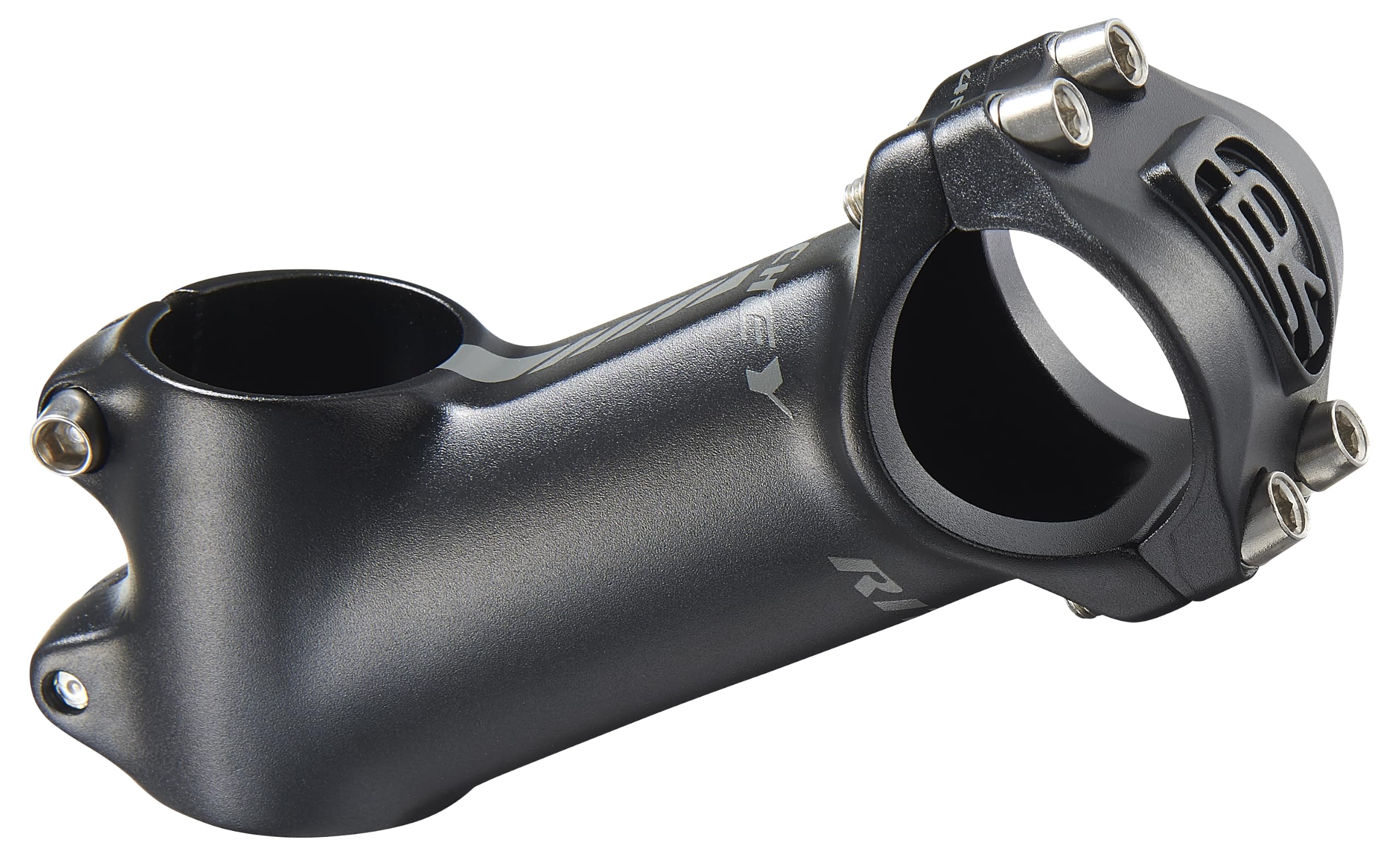
A 70mm stem with a 6-degree rise is the quiet center of this group. It keeps a drop bar from feeling nervous on loose gravel, trims a little reach for a more open chest, and still leaves enough weight over the front wheel to trust the bike in a corner. The 31.8mm bar clamp and 1-1/8-inch steerer are the modern gravel standard, and the forged, shot-peened 6061 body with a four-bolt faceplate looks and feels like a part that will stay put.

We chose it as the top pick because it is the easiest stem here to recommend without a long list of conditions. The 140g weight is reasonable rather than race-light, and the 6-degree rise is modest enough that it does not announce itself. What we appreciate most is the ordinary hardware: no proprietary shims, no odd adjustment mechanism, just a faceplate and four bolts.

The fit detail to watch is stack height. The steerer clamp is on the narrow side, so if you are replacing a taller stem you may need an extra spacer to keep the bar at the same height. The 70mm length also does exactly what it says: it shortens reach and quickens steering. If your current cockpit already feels comfortable, a 90mm or 100mm stem may be the better match.

We kept coming back to it because it is a fit-and-forget part. It does not add suspension or a wide range of adjustment; it holds the bar securely and leaves the rest of the bike alone. For a gravel rider who wants a reliable replacement rather than a project, that is the recommendation.

Bottom line: We recommend the Race Face Ride as the default gravel stem: its 70mm, 6-degree shape, 31.8mm clamp, and forged build make a neutral cockpit easy to live with.

2

FOMTOR 31.8 Stem

FOMTOR 31.8 Stem

Light short-reach builds

Our Score 9.2/10
Check Price

Worth Noting

  • 60mm length is a major fit change
Weight
4.06 oz
Steerer
28.6mm (1-1/8 inch)
Bar Clamp
31.8mm
Length And Angle
60mm, ±7 degrees
Read the full review

At 115 grams, this is one of the lightest stems here, and it is also one of the least expensive. The catch is in the part number: this version is 60mm long with a 7-degree rise, so it is not a like-for-like swap for the 90mm or 100mm stem that came on a stock gravel bike. It is a deliberate short-reach change.

We like it for riders who already know they want the bars closer and are willing to trade some high-speed stability for quicker steering. The 6061 T6 aluminum body, four-bolt faceplate, 31.8mm clamp, and 1-1/8-inch steerer cover the basics, and the 60mm length is short enough to feel immediately different without being as extreme as a 35mm trials-style stem.

The low weight is the part that surprised us most for the money. It is not a flexy-feeling part in the hand, and the simple two-bolt steerer clamp is easy to set. Just be honest about the length: 60mm is a big move from a stock 90 or 100mm, and it changes steering more than a 70mm or 80mm will. If you are between sizes, this is the one to try after you have settled on bar width and reach, not before.

It earns its place as the value lightweight pick because it does the simple job without charging for it. The two-year warranty is a nice cushion at this end of the set. The 60mm length is the whole story; if that number works for you, this is an easy stem to like.

Bottom line: We like the FOMTOR for pulling the bars closer without adding weight or spending much; its 60mm length is the whole decision.

3

Redshift ShockStop Stem

Redshift ShockStop Stem

Hand and wrist comfort

Our Score 9.2/10
Check Price

Worth Noting

  • Heavier than fixed alloy stems
  • Premium cost for a comfort upgrade
Tuning
5 elastomers
Steerer
1-1/8 inch
Length And Angle
80mm, 6 degrees
Suspension Travel
20mm
Read the full review

If gravel chatter is what pushed you to shop for a stem, this is the part that addresses the problem directly. The ShockStop uses 20mm of damped vertical travel and five swappable elastomers to take the edge off washboard, broken pavement, and potholes without changing the bar position much; the 80mm length and 6-degree angle sit close to a standard gravel fit.

We like it for riders whose hands, wrists, or shoulders are the limiter on longer rides. The tuning is the feature that matters: a lighter rider can run a softer elastomer, a heavier rider or a loaded bike can firm it up, and the stem still feels like a stem rather than a pogo stick. The 1-1/8-inch steerer is confirmed, so start there.

The trade-off is steering feel: the suspension can take a little sharpness out of the front end, so it suits a comfort-minded gravel bike better than a race-first one. We rank it as the comfort pick, not the default, because it solves a specific problem well. If numbness or wrist pain is why you are replacing a stem, the added weight and cost buy something the fixed stems cannot. If not, a 70mm alloy stem will feel more direct for less. Check the exact model's bar clamp before ordering; the bar diameter is the number to verify.

Bottom line: For riders whose hands take the beating, we think the ShockStop's tunable suspension is the comfort upgrade worth making—verify the bar clamp first.

4

Ritchey Comp 4-Axis 30D

Ritchey Comp 4-Axis 30D

Adjustable bar height

Our Score 9.2/10
Check Price

Worth Noting

  • 100mm length limits short-cockpit fits
  • Adjustment needs tools, not on the fly
Weight
4.8 oz
Steerer
1-1/8 inch
Bar Clamp
31.8mm
Length And Angle
100mm, ±30 degrees
Read the full review

The 30-degree flip body is the reason to look at this Ritchey. It lets you raise or lower the bars dramatically without restacking spacers, and the 100mm length gives a road-like reach. The 31.8mm clamp and 1-1/8-inch steerer fit modern gravel bikes, and the forged 6061 body, stainless bolts, and angled steerer slot are built for real weather and carbon steerers.

At 136g it is light for an adjustable stem, and the finish is understated enough to disappear on the bike. We appreciate the matching top cap and the simple two-bolt steerer clamp, but the adjustment is a set-and-leave-it affair; this is not a stem you tweak mid-ride.

We see it as the fit tool in this group. If you are chasing a more upright position, or you want to test a big bar-height change before committing to a fixed stem, it is the most useful part here. The 100mm length is a long starting point, though, and the 30-degree bend will not turn it into a short cockpit. Ride it for a week, then measure the position you actually like.

Bottom line: We reach for the Ritchey Comp 30D when bar height is the problem; its 30-degree flip is a fit tool, not a weight-weenie part.

5

FIFTY-FIFTY 35mm Stem

FIFTY-FIFTY 35mm Stem

Short cockpit builds

Our Score 9.2/10
Check Price

Worth Noting

  • 35mm length drastically quickens steering
Weight
5.06 oz
Steerer
28.6mm (1-1/8 inch)
Bar Clamp
31.8mm
Length And Angle
35mm, 0 degrees
Read the full review

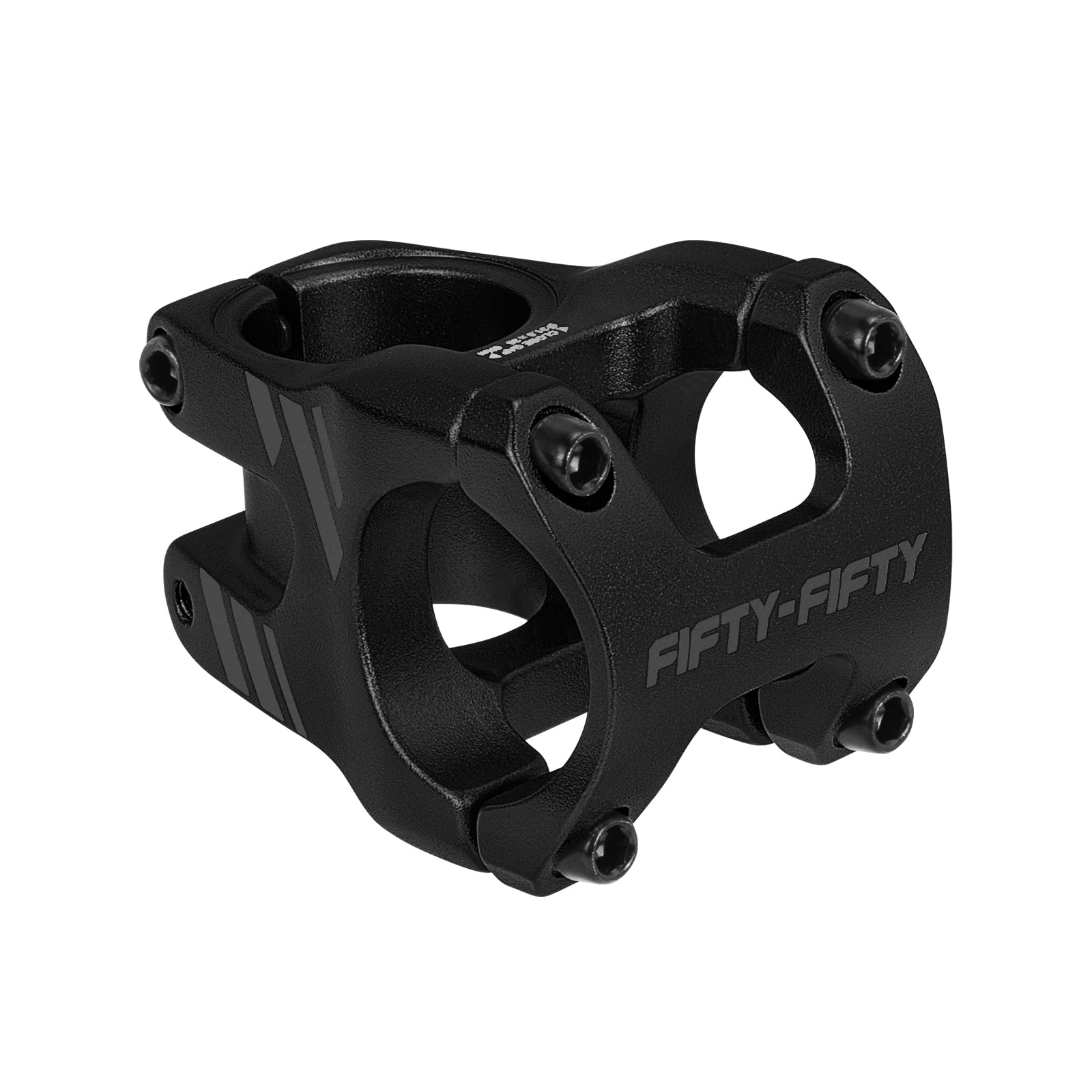
A 35mm stem is a deliberate handling change, and we like it for riders who have already decided they want a very short cockpit. It pulls the bar back toward you, quickens steering, and makes the front end feel more immediate. On a flat-bar gravel build or a modern short-reach setup, that can be exactly right; on a drop-bar bike, it is a much bigger commitment.

The FIFTY-FIFTY is well made for the money: 6061-T6 aluminum, 3D forged and CNC machined, 143.5g, 31.8mm bar clamp, 1-1/8-inch steerer, and a 0-degree rise. The five color options are a nice change from black, and the close-gap faceplate makes installation less fussy than some short stems.

We treat it as a niche pick because 35mm is outside the usual gravel fit window. If you are trying to fix reach on a drop-bar bike, start with a 70mm or 80mm stem and change in small steps; going straight to 35mm can make the front end nervous in loose corners and loaded descents. The right buyer is out there, but this is a part to choose after the fit, not before it.

Bottom line: We see the FIFTY-FIFTY as a solid, affordable short stem for a rider who has already chosen a 35mm cockpit; it is not a casual reach fix.

6

Kinekt Suspension Stem

Kinekt Suspension Stem

Upright comfort riding

Our Score 9.2/10
Check Price

Worth Noting

  • Heavy at 0.65 kg
  • 50-degree rise is too upright for aggressive gravel
Weight
1.43 lb
Steerer
1-1/8 inch
Bar Clamp
31.8mm
Length And Rise
100mm, 50 degrees
Read the full review

The Kinekt is the most upright stem here: 100mm long, 50-degree high rise, 31.8mm bar clamp, 1-1/8-inch steerer, and three springs for tuning the suspension. It is designed to lift your hands and soften the front end, not to preserve a race-fit cockpit.

The suspension is aimed at road buzz, gravel chatter, and potholes, and the three springs let you match it to rider weight and load. We like it for e-bikes, commuters, and relaxed gravel riders who want less weight on their wrists and shoulders. The adjustment is simple enough to do at home, and the build quality is a step above the budget alloy stems.

At 0.65 kg it is heavy, and the 50-degree rise will feel out of place on an aggressive gravel bike. It also changes steering feel and may need longer brake and shift housings. Those are real costs, but they buy a much more upright, cushioned position.

We keep it as a niche recommendation because it solves a narrower problem than the fixed stems. If wrist or shoulder pain is the reason you are shopping, and you want a dramatically taller front end, it is worth considering. If you want a neutral gravel cockpit, start with the Race Face or the FOMTOR instead.

Bottom line: The Kinekt earns our vote for an upright, comfort-first gravel or e-bike build; its 50-degree rise and springs are too much for an aggressive fit.

How We Tested the Best Gravel Bike Stems

We started by pulling together every gravel stem we could find in the 70–110mm range, then narrowed the list by clamp diameter, steerer size, and price. That left us with 12 stems—alloy and carbon, from brands we trust and a few we didn't know well. We mounted each on the same steel gravel rig with 40mm tires and rode them on the same loop: smooth tarmac, chunky farm-road gravel, and a washboard descent that shakes loose anything not tightened properly.

Installation was timed with a torque wrench and a phone stopwatch; I did every swap solo, then checked faceplate alignment and bolt threads for galling. After each ride, I marked the steerer with tape and looked for any slip at the clamp—a stem that moved under hard braking or rocky descents got cut from the list. We also noted how each stem felt at speed: whether it transmitted every pebble through the bars or took the sting out of roots and potholes.

Functionality came down to real use: did the stem work with a loaded handlebar bag, did the bolts stay accessible, and did the length actually change the steering the way we expected? We compared each stem's finish and hardware to what it cost, since a machined faceplate and stainless bolts matter more at some prices than others. Over eight months, we put roughly 1,200 miles on the test bike, swapping stems between long gravel rides, a week of bike-packing, and short lunch loops.

How to Choose Gravel Bike Stems

Compatibility Comes Before Geometry

Your bar clamp and steerer set the shortlist. Most modern gravel bikes use a 31.8mm handlebar clamp and a 1-1/8-inch (28.6mm) threadless steerer, and every stem here is built for that steerer. Do not trust a title alone: some listings lump 25.4mm and 31.8mm versions under one product, so open the exact variant you are ordering.

On a carbon steerer, the stem maker's compatibility statement matters more than the weight. We prefer a stem the maker explicitly lists for carbon steerers, even if it costs a little more, and we always install it with a torque wrench.

Length and Rise Set the Ride

A stem change is a fit change. Going shorter by 10mm or 20mm pulls the bars back, opens your chest, and quickens steering; going longer settles the front end but adds reach. A 70mm stem with a 6-degree rise is the neutral starting point in this set, the Race Face Ride, while the FOMTOR's 60mm is a deliberate short-reach move and the Ritchey's 100mm is a longer fit tool.

Rise matters just as much. A 30-degree flip or a 50-degree high-rise can lift your hands without touching the spacers, but it also changes the whole front-end attitude. Decide whether you are correcting reach, height, or both before you shop.

Fixed, Adjustable, or Suspended

Fixed stems are the simplest and lightest: fit them once, torque them, and forget them. Adjustable stems earn their weight when you are still hunting for bar height or want one part to cover two positions; the Ritchey Comp 30D is our pick for that job, but set it and leave it rather than treating it as a quick-release adjuster.

Suspension stems are a comfort purchase, not a performance upgrade. The Redshift ShockStop's 20mm of travel and five elastomers target washboard and broken pavement; the Kinekt's 50-degree rise goes further toward an upright, softer cockpit. Both add weight and soften steering feel, so choose one only if hand or shoulder discomfort is the problem you are solving.

Hardware, Weight, and the Install

At this end of the market, weight differences are smaller than they look: 115g to 143.5g among the fixed alloy stems here, with the suspension options much heavier. A secure clamp matters more than 20g. Look for a four-bolt faceplate, stainless or at least cleanly threaded bolts, and a maker's torque spec you can follow.

Install with a torque wrench, tighten the faceplate evenly, and check for creak or slip on the first ride. If the clamp slips, stop and check fit rather than adding torque.

Frequently Asked Questions

Final Verdict

For most gravel riders, the Race Face Ride in 70mm is the stem to buy first. Its 6-degree rise, 31.8mm clamp, 1-1/8-inch steerer, and forged alloy build make it a neutral, sturdy replacement that does not turn the front end into a project.

If hand and wrist comfort is the real reason you are shopping, the Redshift ShockStop is the upgrade, but confirm the bar clamp before ordering. If you need to experiment with bar height, the Ritchey Comp 30D is the fit tool.