Helmets

Best Bike Helmets of 2026

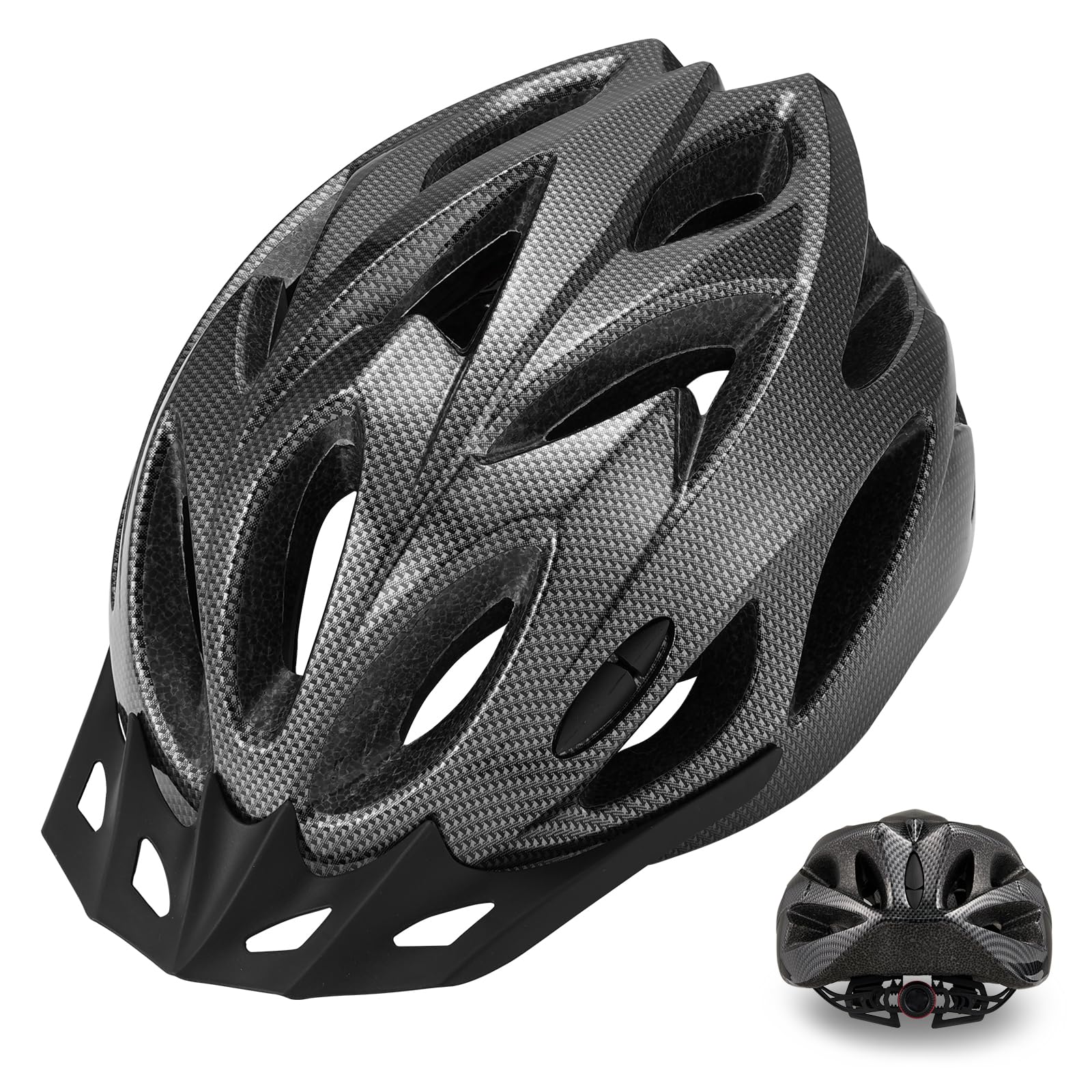
A bike helmet is the one piece of gear you want to forget you're wearing. Most feel fine in the shop and then turn on you by mile three — a shell that pinches at the temples, a rear dial that slips, pads that hold sweat like a sponge. I've had that happen with more helmets than I can count, which is why my team and I spent the past eight months riding with 12 different models. A good one fixes all of that: it matches your head shape, stays put without fiddling, and lets enough air through that you stop thinking about it.

We focused on what shoppers ask about. Fit and sizing came first — a helmet that doesn't match your head shape won't protect you no matter how many stars it has. We also noted adjustability (does the dial hold?), weight (did our necks notice on longer rides?), appearance (would we actually wear it?), and value (does the price match the details?). After repeated use, we checked for flattened pads and frayed straps; the picks below held up.

1

Triple Eight Sweatsaver

Top Pick
Triple Eight Sweatsaver

BMX and skatepark

Our Score 9.6/10
Check Price

Worth Noting

  • Pad-based fit takes longer to adjust than a dial
Pads
Two Sweatsaver sets
Sizes
XS/S–XL/XXL
Fit Range
53–57 cm (S/M)
Safety Certification
CPSC and ASTM F1447
Read the full review

The thick Sweatsaver pads and the absence of a dial tell you this is a different kind of fit. Instead of cranking a retention system, you swap between two sets of pads to customize the size, then rely on the chin strap to lock it down. The shell is ABS over EPS foam, and it is triple-certified, including CPSC and ASTM F1447 for bike and multisport use.

The padding is the star. It is thick, moisture-wicking, and comfortable enough that we stopped noticing the helmet on longer skatepark sessions. The dual-density foam also gives the shell a solid, planted feel. It runs snug when new, and the pads break in after a few hours of wear.

We like the Sweatsaver for BMX and park riding because the coverage sits lower at the back than a typical vented bike helmet. The thick pads are the reason it feels so settled, but they also make it a warmer helmet on slow, hot days. If you want one helmet for bike paths and skateparks, this is a strong choice; if you want a bike-specific youth helmet, the Bell Richter is the easier handoff.

Bottom line: We send BMX and skatepark riders to the Sweatsaver for its plush pads, solid ABS shell, and triple certification.

2

Giro Fixture MIPS

Giro Fixture MIPS

All-around adult riding

Our Score 9.4/10
Check Price

Worth Noting

  • Premium price compared with budget picks
Fit Range
54–61 cm
Retention
Roc Loc Sport, 7 cm
Safety System
MIPS liner
Reflective Details
Yes
Read the full review

MIPS and the Roc Loc Sport dial are what make the Giro Fixture our default adult helmet. The MIPS liner adds rotational-impact protection, and the dial gives 7 cm of adjustment with a click we could feel through gloves. The universal shell covers 54 to 61 cm, so it fits a wide range of adults without a size lottery. We also appreciated the reflective details on evening rides, a small feature that matters more than a grams count.

The shape sits low enough to feel secure without pressing on the forehead, and the visor is welcome on sunny commutes and dusty trails. The padding is comfortable against the skin, and the straps were easy to set and forget. We wore it for road, gravel, and easy trail rides; it felt like one helmet that could do all three without looking out of place.

The Zacro has a wider fit range and the VICTGOAL adds a rear light, but neither pairs MIPS with this retention system. For most adult riders who want one helmet for road, gravel, and light trail use, the Fixture is the one we point to first. The visor is the detail that may divide pure road riders, but it is easy to live with.

Bottom line: We make the Fixture our default adult helmet for MIPS protection, a secure Roc Loc fit, and road-to-gravel versatility.

3

VICTGOAL Bike Helmet

VICTGOAL Bike Helmet

Low-light commuting

Our Score 9.4/10
Check Price

Worth Noting

  • Rear-only light leaves front visibility to a separate lamp
Vents
21
Fit Range
54–63 cm
Rear Light
USB rechargeable, 3 modes
Visor And Goggles
Magnetic, removable
Read the full review

A dusk commute is where the VICTGOAL makes sense. The rear light has three modes and charges by USB, so you are not clipping a separate blinker to the back of the helmet. The magnetic goggles and sun visor snap on and off without fuss, and 21 vents keep the shell from feeling stuffy when you stop at a light.

We liked the light more than we expected on gray mornings, and the goggles stayed put over glasses. The fit dial covers 54–63 cm, which is broad enough for most adults, and the chin strap was easy to adjust with gloves. The shell feels lighter than the ILM, and the ventilation is noticeably more open than a skate-style helmet.

This is a commuter helmet, not a race helmet. The goggles are more useful in wind and rain than on a fast club ride, and the visor can be removed when you want a simpler look. The VICTGOAL sits between a bare budget helmet and a full lighting setup, which is exactly where a lot of commuters land.

Bottom line: A rear light, magnetic goggles, and 21 vents make this our commuter pick for dusk rides, especially if you want visibility without a separate blinker.

4

Schwinn Thrasher

Schwinn Thrasher

Budget large heads

Our Score 9.4/10
Check Price

Worth Noting

  • Visor and plastic parts are durability weak points
Vents
20
Fit Range
58–62 cm
Retention
Adjustable dial
Safety Certification
CPSC
Read the full review

The 58–62 cm fit range is the reason the Schwinn Thrasher earns a place here. It is a large-head fit, and the dial retention system takes up the last bit of adjustment. The CPSC certification covers the basic safety job, and the 20 vents and visor make it feel like a complete everyday helmet rather than a stripped-down one.

The Thrasher has the classic bike-helmet shape: a microshell over EPS foam, 20 vents, a visor, and full interior padding. We found the dial easy to turn and the straps simple to set. The visor is useful for sun and rain, and the 20 vents are enough for commuting and path riding.

The trade-off is that this is a one-size helmet with a narrower fit window and a basic finish. The padding is not as plush as the Giro's. If your head measures 58–62 cm and you want a certified helmet for errands and everyday rides, the Thrasher is a strong value. If you are outside that range, the Zacro is the better budget choice.

Bottom line: If your head measures 58–62 cm, the Thrasher is the budget helmet we point to: a simple dial fit, 20 vents, and a visor for everyday rides.

5

80SIX Multisport Helmet

80SIX Multisport Helmet

Kids multisport

Our Score 9.4/10
Check Price

Worth Noting

Shell
ABS over EPS foam
Weight
14.1 oz
Fit Range
52–56 cm (8+ Youth)
Safety Certification
CPSC and ASTM F1447
Read the full review

The 80SIX makes its case with certification: CPSC for bicycle helmets and ASTM F1447 for recreational biking and roller skating, plus a third multisport standard. For a kids helmet at the budget end, that is the first thing we want to see.

The shell is classic skate-style ABS over EPS foam, with a shape that covers more of the back of the head than a vented bike helmet. The interior foam is designed to conform over time, and the helmet is available in youth and small/medium adult sizes. The 8+ youth shell fits 52–56 cm.

We like this one for kids who move between a bike, a scooter, and a skateboard. The smooth shell does not have the vents of a road helmet, but it feels sturdy and the coverage is reassuring. The chin strap is simple to adjust, and the helmet stays put once it is on.

The sizing is the weak spot. The 8+ youth shell is listed at 52–56 cm, but the size label can mislead, and some kids will need to size up. Measure the head and compare it with the chart before ordering; do not rely on age alone.

For the money, the 80SIX is a sensible multisport helmet for a growing kid, especially if you want one shell for bike paths, scooters, and skatepark sessions. It is not as refined as the Triple Eight, but the certification and coverage are the reasons it stays on our list.

Bottom line: Kids who move between bike, scooter, and skatepark are the reason we keep the 80SIX on this list: triple certification, a solid ABS shell, and a budget-friendly price.

6

Zacro Adult Bike Helmet

Zacro Adult Bike Helmet

Budget adult rides

Our Score 9.2/10
Check Price

Worth Noting

  • Padding and fittings feel less refined than premium picks
Vents
18
Visor
Detachable
Fit Range
54–62 cm
Safety Certification
CPSC and CE
Read the full review

The low price is the first thing you notice, but the 54–62 cm fit range is what makes the Zacro worth considering. It covers more head sizes than the Schwinn Thrasher, and the CPSC and CE certifications are the baseline we want in any bike helmet. The 18 vents and detachable visor make it feel purpose-built for commuting rather than an afterthought.

We found the dial easy to turn and the straps simple to set, and the removable visor is a nice touch for changing light. The shell feels light on the head, and the removable pads make it easy to freshen up after sweaty rides. It does the basic job without fuss, which is what we want at this end of the range.

Ventilation is the reason to pick this over a skate-style shell: 18 vents move air on warm commutes, and the visor can come off when you want a lower-profile look. The fit range is broad enough for many adults, and the chin strap has enough length for a thin cap underneath in cold weather.

For errands, paths, and occasional commutes, the Zacro is the value pick. Riders who want MIPS and a more precise retention system should look at the Giro. The Zacro is also a better choice than the Schwinn for most head sizes because it starts at 54 cm instead of 58 cm.

Bottom line: We reach for the Zacro when the budget is tight but the fit still has to be right: certified, widely adjustable, and ready for errands.

7

ILM Adult Bike Helmet

ILM Adult Bike Helmet

E-bike commuting

Our Score 9.2/10
Check Price

Worth Noting

  • Heavier than the other commuter picks
  • Only 10 vents
Visor
Detachable tinted lens
Lights
USB front and rear
Weight
14.9 oz
Safety Certification
ASTM, CPSC, CE, EN1078
Read the full review

The ILM's front and rear lights are the reason to look at it. Both are USB rechargeable, and the rear light is bright enough to read as a safety signal rather than a token blinker. The tinted visor is detachable and eyeglass-friendly, which matters on windy commutes.

Certification is broader than most: ASTM, CPSC, CE, and EN1078. The shell uses EPS and PC, and the lining is removable and washable. The size adjustment is designed for larger heads, and the 5-year manufacturer warranty is longer than most here.

We found the visor useful in sun and wind, and the lights easy to switch on with gloves. The ILM is built for visibility and weather protection rather than hot-weather racing. It is a commuter helmet first, and that focus shows in the features you use every day.

For e-bike commuters, the combination of lights, visor, and certification is hard to beat. The 5-year warranty adds confidence, and the front light is the feature the VICTGOAL lacks. If you want a lighter helmet for daytime path rides, the VICTGOAL is the easier choice; if you want to be seen from both ends, the ILM earns its place.

Bottom line: For night and e-bike commutes, we want front and rear lights, a tinted visor, and broad certification; the ILM delivers all three in one substantial helmet.

8

Bell Richter Youth

Bell Richter Youth

Youth riders 8–14

Our Score 9.2/10
Check Price

Worth Noting

  • Visor is a weak point if dropped
  • Fit system is less tunable than a dial
Buckle
Pinch Guard
Fit Range
54–58 cm
Fit System
True Fit
Safety Certification
CPSC
Read the full review

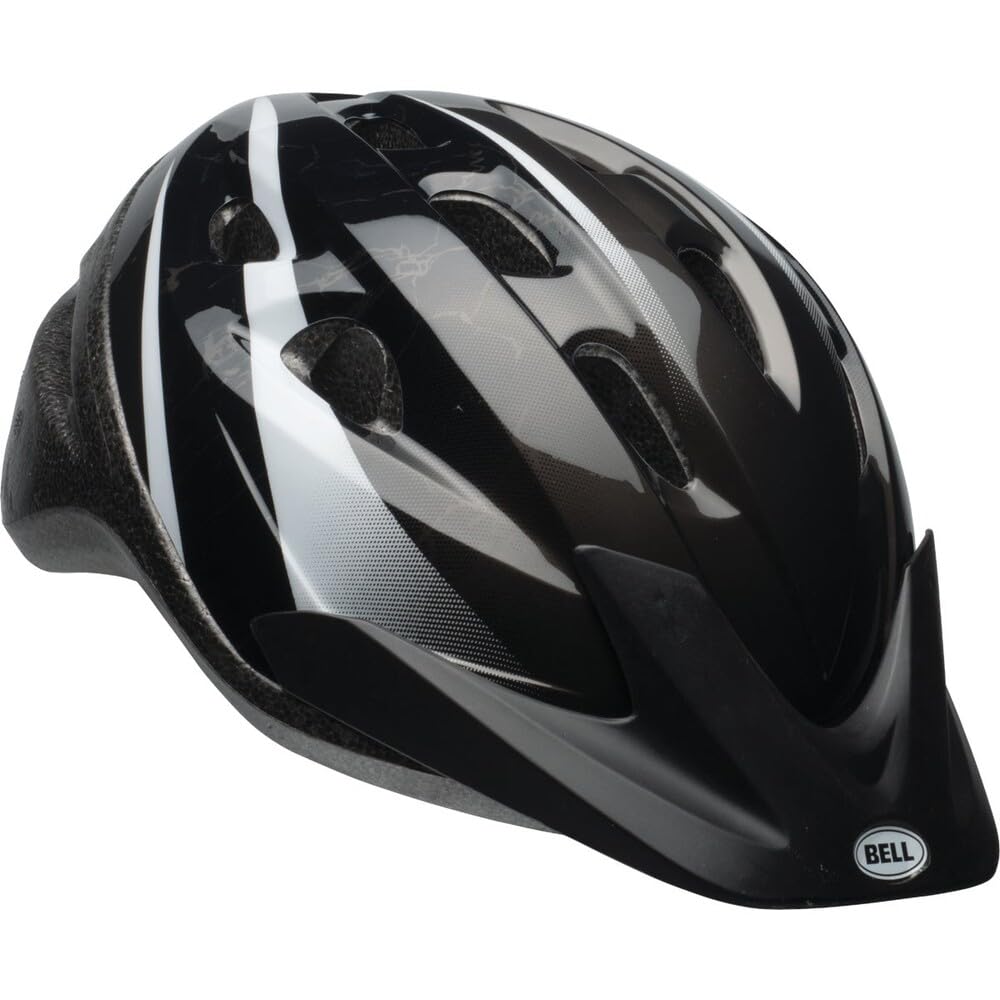
The Pinch Guard buckle is the detail that makes the Bell Richter easy to recommend for kids. It is designed to keep skin from getting caught when the chin strap is fastened, which removes one of the small frustrations that can make a child resist wearing a helmet. The True Fit system is a one-step adjustment, and the shell is CPSC-compliant for bicycle use.

The 54–58 cm range covers many 8- to 14-year-olds, and the low-profile shape looks more like a bike helmet than a skate shell. The visor is a useful add for sun and rain, and the padding is comfortable against the forehead. We liked that the buckle and straps were simple enough for a kid to manage with a little practice.

For school runs and weekend rides, the Richter is easy to live with. The low-profile shape fits under a hood, and the straps stay put once set. It is a bike-specific helmet, so it is not the pick for skatepark sessions; the Triple Eight covers that.

We recommend the Richter for parents who want a no-drama helmet that a kid can put on without help. The Bell name and CPSC compliance add confidence, and the 54–58 cm range is easy to check before ordering. If your child is between sizes or has a very small head, measure first; the OUWOER small starts at 48 cm.

Bottom line: The Richter is the youth helmet we hand to parents who want a pinch-free buckle and a simple one-step fit for ages 8 to 14.

9

OUWOER Kids Bike Helmet

OUWOER Kids Bike Helmet

Toddlers and kids

Our Score 9.2/10
Check Price

Worth Noting

  • Straps can loosen over time
Sizes
Three sizes
Vents
11
Fit Range
48–54 cm (Small)
Safety Certification
CPSC
Read the full review

The smallest size is where kids helmets usually fail, so it is the first thing we checked on the OUWOER. The small shell is listed for 48–54 cm, which is a realistic toddler-to-early-elementary range, and the rear dial takes up the slack as a child grows. The ABS shell and EPS foam meet the CPSC bicycle helmet standard, and 11 vents keep the top of the head from cooking.

The dial is the feature parents will use most. It ratchets down with a thumb and wheel, and the chin straps are easy to adjust. The shape covers the back of the head well, and the bright color makes a kid easier to spot at the park. The padding is soft enough for short rides, though it is not as plush as the Bell Richter.

The fit is the caveat. Some very young children will still find the small shell too big, even on the tightest dial setting. Measure the head and compare it with the 48–54 cm range before ordering; a helmet that slides is not protecting the forehead.

We recommend the OUWOER for families who want a dial-fit kids helmet that can grow through a couple of seasons. It is not as refined as the Bell Richter, but it covers the toddler-to-youth gap at a reasonable price. If you need a helmet for a 10-year-old, the Bell's 54–58 cm range is the better starting point.

Bottom line: We like the OUWOER for toddlers and young kids because the rear dial, 11 vents, and CPSC certification come in a true 48–54 cm small shell.

How We Tested Bike Helmets

We built the shortlist by researching helmets from brands we've ridden and newer models that kept showing up in reviews, then filtering by price, available size runs, and shell shape. We ended up with 12 helmets, and over eight months we rode them on a rotation of daily commutes, weekend path rides, and longer two-hour spins. Every helmet went on the same rides so we could compare them against each other rather than against memory.

Fit and sizing got the first pass. I measured each helmet's stated size range, then wore it for a full day of errands with the rear dial at the tightness I'd actually ride. We noted pressure points at the temples and forehead and whether the helmet sat level without tipping forward. For adjustability, we cranked the dial up and down mid-ride to see if it held its setting and whether the straps stayed even after we loosened them. Weight showed up on the longer rides — did our necks feel it on a two-hour spin, or did the helmet disappear?

Appearance and value are personal, but we still compared how each helmet looked with sunglasses and different hairstyles, and whether the price felt fair for the details. Quality and durability got checked after every ride and again at the end: we looked at pad stitching, strap anchors, and shell scuffs, then washed the pads to see if they bounced back. The helmets that made the cut kept their fit, didn't rattle, and still looked worth wearing after eight months.

How to Choose Bike Helmets

Certification and MIPS

We start with the safety label, not the vent count. A bicycle helmet sold in the U.S. should meet the CPSC standard for bicycle helmets; a multisport shell may also carry ASTM F1447 or other certifications. MIPS is an added slip-plane liner designed to reduce rotational forces in some impacts. We think MIPS is worth paying for if you want that extra layer, but it does not replace correct fit. The Giro Fixture includes MIPS, while the Triple Eight Sweatsaver is a triple-certified multisport option.

Fit and Retention

We start with a tape measure around the widest part of your head, not a hat size or an age range. A dial retention system is quick to adjust and easy to fine-tune with one hand; pad-based sizing can be secure but takes more trial and error. Whichever you choose, the helmet should sit level, cover the forehead, and stay put when you shake your head. The Zacro's 54–62 cm range covers many adults, the Bell Richter uses a one-step True Fit system for youth riders, and the OUWOER's small shell starts at 48 cm for toddlers.

Match the Shell to the Ride

We prefer a vented bike helmet for road, gravel, and path riding: it is lighter and cooler than a skate shell, and the visor or light mounts are usually designed for cycling. A skate-style shell covers more of the back of the head and feels at home in a skatepark, but it is warmer and less ventilated for long rides. If you commute in traffic, look for reflective details or built-in lights. The VICTGOAL and ILM add lighting, while the Triple Eight is built for BMX and park use.

Visibility and Weather

We treat helmet lights as a supplement, not a replacement, for a bike light. A rear helmet light helps drivers see you in low light, and a front light or visor helps with wind, rain, and glare. Check how the light charges and whether you can reach the button with gloves. Reflective details are useful on unlit paths, and a removable visor is easier to live with when the weather changes. The Giro Fixture has reflective details, the VICTGOAL has a rechargeable rear light, and the ILM adds front and rear lights plus a tinted visor.

Frequently Asked Questions

Final Verdict

The Giro Fixture MIPS is the helmet we recommend first for most adult riders. MIPS, the Roc Loc dial, and the 54–61 cm universal fit make it a confident choice for commuting, gravel, and light trail rides, and the reflective details help after dark.

If the budget is tighter, the Zacro is the certified value pick. If your rides happen at dusk, the VICTGOAL's rear light and goggles are worth the step up. The deciding factor is fit: measure your head and choose the helmet whose range contains it.