Helmets

Best Road Bike Helmets of 2026

A road helmet is the one piece of gear you hope never has to prove itself — which is why the fit you notice on mile 60 matters as much as the crash rating you hopefully never think about. A good one disappears: no pressure points above your ears, no strap sawing at your jaw, no hot spot by hour three. Get it wrong and every ride becomes a negotiation with a piece of gear that should be invisible. Over seven months, I've ridden 12 road helmets, from budget picks to pro-level lids, and the comfort and weight differences were bigger than the spec sheets suggest.

First-timers don't expect that a helmet feeling fine in the shop can turn into a headache at mile 40 once the pads warm and the dial creeps. We watched the small stuff too: whether the finish still looked sharp after a season of sweaty rides and gear-bag abuse, whether integrated rear lights cut through daylight, and whether the price bought quality or just a logo.

1

OutdoorMaster Gem MIPS

Top Pick
OutdoorMaster Gem MIPS

Hot-weather road riding

Our Score 9.6/10
Check Price

Worth Noting

  • Medium-only listing
Size
Medium
Vents
25
Liners
Two thicknesses
Safety Liner
MIPS
Read the full review

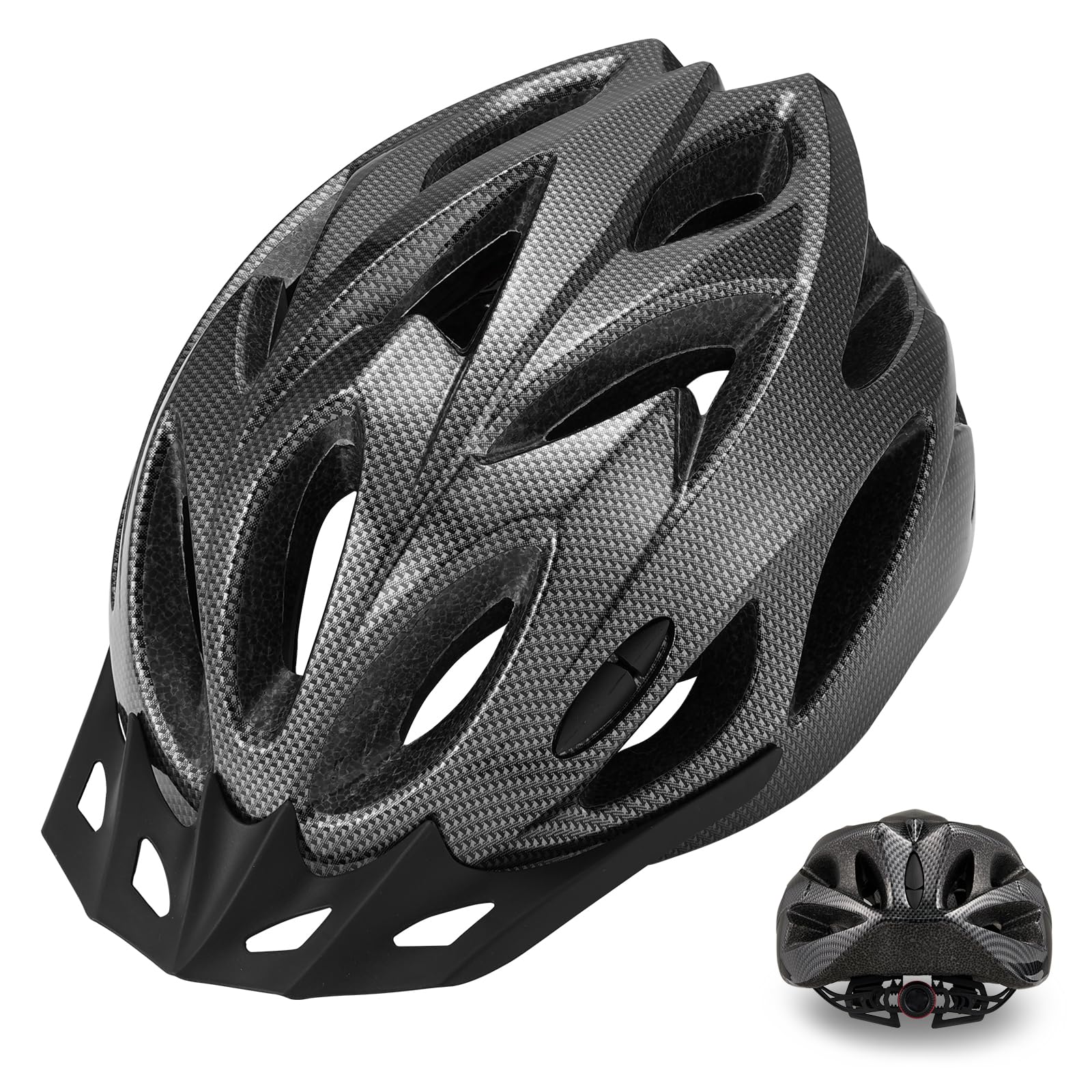
The Gem earns its place on ventilation. Twenty-five vents, a MIPS liner and two removable liner thicknesses make it the most heat-friendly helmet in this set. We like that the second liner changes the fit rather than just adding padding; it gives you a way to tune clearance for glasses or a thin cap.

The shell is listed at 14.08 oz, which is heavier than the Zacro and Basecamp, but the airflow is the reason to choose it. The removable visor is useful on sunny exposed roads, and the dial gives you the usual rear fit adjustment. The vent layout is the story, not a collection of cosmetic slots.

If your road riding is steady and hot, the vent count and MIPS liner are a strong combination. If you ride at dusk, the Basecamp's built-in light is more useful than another two vents. The Gem is the comfort-first choice for bright, warm pavement rides.

Bottom line: If heat and airflow decide your road helmet, the Gem's 25 vents, MIPS liner, and two liner thicknesses make it the most comfortable pick here.

2

Giro Agilis MIPS

Giro Agilis MIPS

Fast road rides

Our Score 9.4/10
Check Price

Worth Noting

  • Premium price for a road-only design
Fit System
Roc Loc 5
Ventilation
Wind Tunnel vents
Safety Liner
MIPS
Listed Weight
1.48 lb
Read the full review

The Agilis is the road helmet we reach for first because it does not make you choose between safety and airflow. A MIPS liner sits inside a low-profile shell, the Roc Loc 5 dial gives a secure, easy-to-find fit, and the Wind Tunnel venting is designed to pull air through at speed. The listed weight is 0.67 kg, which is not the lightest figure here, but the shape and vent layout are convincingly road-first.

We appreciate the two-piece shell, too. The polycarbonate lower wrap is fused to the liner, so the foam edge is protected when you set the helmet down on pavement or shove it into a bag. The lack of a visor and built-in light is deliberate; this is a helmet for riders who already carry their own eyewear and rear light. That focus is exactly why it earns the top spot.

Fit is the one thing to settle before you buy. This listing is a medium, so it will not cover every head, and the Agilis rewards a snug, level fit more than a loose one. If you split your riding between pavement and trail, the Fixture's visor and universal shell make more sense. For fast road miles, the Agilis is the one we prefer.

Bottom line: If your riding is mostly pavement and you want one helmet to cover fast training and long weekend rides, the Agilis is the clear choice here.

3

Giro Fixture MIPS

Giro Fixture MIPS

Road and trail

Our Score 9.4/10
Check Price

Worth Noting

  • Fixed chin strap limits fine-tuning
Fit Range
54-61 cm
Fit System
Roc Loc Sport, 7 cm
Visibility
Reflective details
Safety Liner
MIPS
Read the full review

Some road riders want a helmet that doesn't panic when the pavement ends. The Fixture is that helmet: MIPS protection, a visor, reflective details and Giro's Universal Fit shell in one package. It is less single-minded than the Agilis, which is the point.

What makes it useful is the combination of a 7 cm Roc Loc Sport adjustment range and a shell sized for 54-61 cm. We like that the fit system clicks into place and can be worked with one hand, and the reflective detailing is a sensible touch for early starts. The visor shades your eyes without needing a separate cap.

For mixed-surface days, the Fixture keeps low sun and trail spray out of your eyes, and the MIPS liner means you are not giving up the safety feature we look for first. If you never leave smooth pavement, the Agilis is sharper and airier. If your rides regularly include gravel, paths or a little trail, the Fixture is the more forgiving choice.

Bottom line: Buy the Fixture if your road rides regularly turn onto gravel or trail and you want MIPS plus a visor without paying premium-road money.

4

Schwinn Thrasher

Schwinn Thrasher

Casual pavement rides

Our Score 9.4/10
Check Price

Worth Noting

  • Visor and dial durability is mixed
Vents
20
Fit Range
58-62 cm
Fit System
Adjustable dial
Certification
CPSC
Read the full review

The Thrasher is the helmet we point to when the goal is simple: get a certified adult helmet on your head for casual pavement rides without spending much. A microshell, 20 vents, a visor and a rear dial cover the basics.

The dial is easy to turn, and the straps are straightforward to adjust. We like that the visor is there for low sun and that the liner is soft enough for short errands. The shape is more recreational than aero, so it does not feel like a road-racing shell.

For casual riders, the Thrasher does the job at the lowest cost here. It is not the helmet we choose for fast road miles or all-day ventilation. As a first helmet for errands, paths and short commutes, it earns its place.

Bottom line: The Thrasher is the right first helmet for casual pavement rides, as long as your head falls in its 58-62 cm range.

5

GROTTICO Adult Bike Helmet

GROTTICO Adult Bike Helmet

Commuting with lights

Our Score 9.4/10
Check Price

Worth Noting

  • Current listing is large only
Size
L, 59-61 cm
Vents
23
Visors
Two included
Rear Light
USB, 3 modes
Read the full review

The GROTTICO's kit is the first thing that makes it interesting: a USB-rechargeable rear light, two visors and a spare set of pads are included. That is more extras than most helmets here, and it changes the value equation for commuting.

The helmet itself has 23 vents, a polycarbonate shell fused to an EPS liner, and a dial-and-strap fit system. The rear light has steady, flash and wave modes. We like the spare pads because liner wear is the part that makes a helmet feel old before its shell does.

On the road, the two visors let you change the look and the amount of sun coverage, and the light is a useful backup for being seen. The 23 vents are not the highest count here, so riders who run hot should look at the Basecamp's 28 or the Gem's 25. The GROTTICO is more about the complete commuting package than maximum airflow.

We recommend it for commuters who want a rear light and visor without buying those separately. It meets U.S. and EU cycling standards, and the spare pads are a practical touch. For pure road performance, the Agilis is the sharper choice; for a do-it-all commute helmet, this one makes a lot of sense.

Bottom line: The GROTTICO bundles a rear light, two visors, and spare pads into a solid midrange helmet for commuters who want extra kit.

6

Zacro Adult Bike Helmet

Zacro Adult Bike Helmet

Budget road riding

Our Score 9.2/10
Check Price

Worth Noting

  • Mixed durability over time
Vents
18
Fit Range
54-62 cm
Certification
CPSC and CE marked
Listed Weight
7.94 oz
Read the full review

At 225 g listed, the Zacro is the lightest helmet in this group, and that number is the reason to start here. Eighteen vents and a removable visor keep it useful for warm commutes and weekend paths, and the 54-62 cm dial range covers more heads than several pricier shells.

We like the Zacro for riders who want a simple, certified helmet without paying for MIPS or a premium liner. It carries CPSC and CE claims, the pads come out for washing, and the visor is easy to remove when you want a cleaner road look. The fit dial is the main control; there is no second liner or magnetic visor to fiddle with.

If you want MIPS and a more substantial liner, the OutdoorMaster Gem is the step up. If you want the lowest weight here and a wide fit range, the Zacro is the one.

Bottom line: The Zacro is the budget road helmet we point to when weight and a wide fit range matter more than premium materials.

7

Basecamp BC-069

Basecamp BC-069

Low-light riding

Our Score 9.2/10
Check Price

Worth Noting

  • Large-only 57-62 cm fit
Vents
28
Visor
Magnetic
Fit Range
57-62 cm
Rear Light
3 modes
Read the full review

The Basecamp puts the safety light where you cannot forget it: on the back of the helmet. The rear LED has steady, slow-flash and fast-flash modes, and the magnetic visor snaps on with three magnets. That combination is why it stands out for dawn and dusk riding.

The rest of the package is competitive, too. Twenty-eight vents make it one of the airier helmets here, and the listed weight is 9.12 oz. The dial and straps handle fit, and the visor can be left off when you want a plainer road look. The included spare battery is a small but welcome detail if the light is part of your regular routine.

We see the Basecamp as the low-light road pick rather than the pure performance pick. The light is a visibility aid, not a substitute for a handlebar light. If your rides start or end in dim light, that is a sensible trade for one less thing to clip to your bars.

Bottom line: For dawn commutes and dusk rides, the Basecamp's rear light and magnetic visor make it the visibility-first pick here.

8

Retrospec Silas

Retrospec Silas

Budget night rides

Our Score 9.2/10
Check Price

Worth Noting

  • Light function can fail over time
Light
Built-in LED, 3 modes
Vents
24
Fit Range
54-61 cm
Listed Weight
9.92 oz
Read the full review

The Silas looks like a road helmet should: a 24-vent shell, a slim profile and an integrated LED light at the back. It is one of the least expensive helmets here, and the vent count is higher than several pricier options.

The 54-61 cm dial range covers a broad adult span, and the built-in light has three flash modes. We like that the light is there without a separate strap or clip, especially for short evening rides. The shell is EPS foam with a PVC outer, so it has a lighter, more basic feel than the MIPS helmets.

The fit is not universal despite the range; some riders find the shape sits high or narrow, so check the return policy if you are between sizes. The padding and straps are simple, and the helmet is best treated as a budget commuter rather than a long-distance road shell.

For budget night rides and short commutes, the Silas gets the important parts right: 24 vents, a wide fit range and a light you do not have to remember. If you want MIPS or a more refined fit, spend up to the Gem or Fixture. If you want a light and lots of airflow for the least money, the Silas is the pick.

Bottom line: The Silas is the budget road helmet for riders who want lots of vents and a built-in light without moving up in price.

How We Tested the Best Road Helmets

We started by pulling together every road helmet we could find that met current safety standards and came in at least three shell sizes, then sorted them by price band and retention system. From that list, we picked 12 to test over seven months — enough to cover the budget, mid-range, and premium end without pretending we could live with two dozen lids.

Testing happened where helmets actually live: weekday lunch loops from the office, a rainy century ride, fast group rides, and long climbs where you notice every extra ounce. I adjusted each retention dial one-handed mid-ride to see if it held or crept, and noted where the pads left marks after five hours in the heat. We weighed every helmet on a kitchen scale, then paid attention to whether that number mattered at mile 80. For the models with integrated rear lights, I rode at dusk on a busy road and checked whether the light was visible in a driver's mirror — and whether it stayed put over bumpy pavement.

After each ride, we inspected the small stuff: compressed pads, frayed straps, scuffed shells, and faded finishes after a month of being stuffed into a gear bag. We compared what each price point actually bought — dial smoothness, pad materials, rotational-impact liners — and flagged where you were paying mostly for a logo. By the end, the helmets that scored best shared a few things: a fit that stayed put without over-tightening, pads that didn't turn crunchy, and a price that felt honest for what you got.

How to Choose Road Bike Helmets

Start With Certification and MIPS

In the U.S., a bicycle helmet should carry a CPSC statement; CE or EN1078 is the comparable European mark. MIPS is an added rotational-impact liner, not a replacement for certification or a snug fit. The Agilis, Fixture and Gem all pair MIPS with a road-capable shell. On a tight budget, a certified non-MIPS helmet such as the Thrasher is still a reasonable starting point.

Fit Is a Range, Not a Label

Measure your head above the eyebrows and compare that number with the helmet's stated range, not the size name. The Zacro spans 54-62 cm; the Basecamp is listed at 57-62 cm. A dial helps, but it cannot fix a shell that is the wrong shape. Wear the helmet level, just above the eyebrows, and tighten the dial until the skin at your forehead moves when you nod. If you plan to wear a thin cap, fit the helmet with it on.

Ventilation and Weight Follow the Ride

More vents and less weight matter most when you are working hard in warm weather. The Gem has 25 vents, the Basecamp 28, and the Silas 24; the Zacro lists 225 g. We do not chase the lowest weight alone, because a helmet that fits poorly feels heavier than its figure. For fast road rides, prioritize airflow and a secure cradle. For short commutes, a slightly heavier shell with a light or visor can be the more useful trade.

Lights and Visors Are Convenience, Not a Substitute

A built-in rear light makes you easier to see, but it does not light the road; keep a handlebar light for night riding. Magnetic visors are handy for low sun and wind, though they add a part to keep track of. The Basecamp pairs a rear light with a magnetic visor, while the GROTTICO includes two visors and a light. Choose those features if they solve a real problem in your ride; otherwise spend the money on fit and ventilation.

Frequently Asked Questions

Final Verdict

After comparing the whole set, the Giro Agilis MIPS is the helmet we put first for pavement riding. It pairs a road-first shell with MIPS, a secure Roc Loc 5 fit and strong ventilation, and it does not load on a visor or light you may not need.

If your rides regularly leave pavement, the Giro Fixture MIPS is the better shape; if you want a built-in rear light for dusk, the Basecamp is the one.